PEI Potato Wart Detection Renews U.S. Import Ban Push
May 21, 2026
The National Potato Council and 13 state potato organizations are calling on the U.S. Department of Agriculture to immediately reinstate a ban on fresh potato imports from Prince Edward Island, Canada, after a newly confirmed detection of potato wart in a previously unregulated field.
In a letter sent May 18 to USDA Undersecretary for Marketing and Regulatory Services Dudley Hoskins, the coalition said the latest detection shows the disease is spreading beyond previously established containment zones and poses a significant risk to the U.S. potato industry.
“The U.S. doesn’t have potato wart, and we don’t want it,” National Potato Council CEO Kam Quarles told the Western Ag Network. “The potential impact of an outbreak of potato wart in the United States, directly and indirectly, would be in the billions of dollars for the U.S. economy and certainly thousands of jobs for the potato industry.”
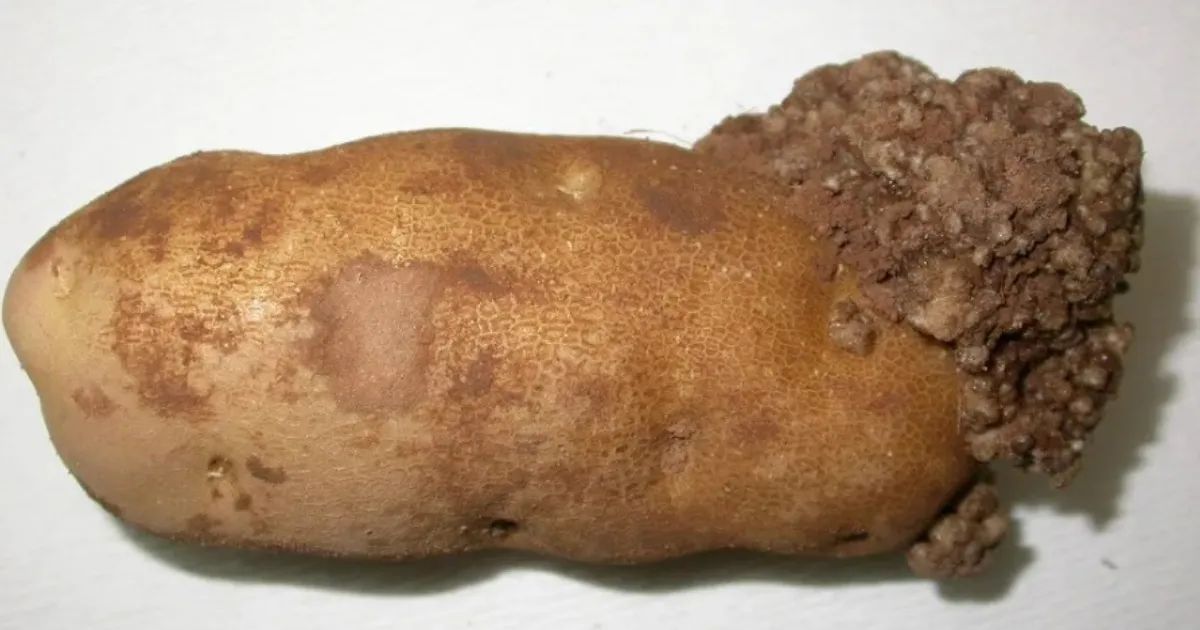
Potato wart is a destructive soil-borne fungal disease that deforms potatoes and can survive in soil for decades. Quarles said the biggest challenge is the disease’s persistence once introduced into production areas.
“This is a disease that can lay dormant in the soil literally for decades,” Quarles explained. “And then when it comes in contact with host material, most often potatoes, it’s often running again.”
The concern intensified after Canadian officials confirmed the disease had been found outside PEI’s previously regulated quarantine zones, prompting an additional 1,000 acres to be quarantined.
“They established a firebreak around the diseased areas on the island,” Quarles said. “Unfortunately, we were told just in the last few days that the disease has jumped the firebreak.”
The discovery has heightened alarm not only for Prince Edward Island growers, but also for U.S. potato producers who fear the economic consequences of an outbreak south of the border.
The U.S. potato industry contributes more than $100 billion annually to the economy and supports over 714,000 jobs. According to the National Potato Council, a domestic potato wart outbreak would immediately shut off access to international fresh potato markets, costing U.S. growers at least $225 million annually in direct export losses.
Quarles pointed to Newfoundland as a cautionary example.
“Newfoundland had potato wart get entirely out of control many years ago,” he said. “That’s basically a no-fly zone for potatoes. You just can’t produce them there, can’t move them.”
The National Potato Council says this is not the first time the issue has surfaced. USDA temporarily halted PEI potato imports in 2021 following previous detections, but the border reopened in 2022.
“This is a reinstatement,” Quarles said. “Five years ago, when this crisis began, USDA took that step. Unfortunately, the Biden administration viewed this as a diplomatic inconvenience.”
Quarles argued that politics should not factor into disease prevention decisions.
“The disease doesn’t care about your politics,” he said. “It wants to get out. It wants to infect potatoes.”
Joining NPC in the request are potato organizations:
State Signatories:
- Colorado Potato Administrative Committee
- Idaho Grower Shippers Association
- Idaho Potato Commission
- Maine Potato Board
- Minnesota Area II Potato Growers
- Montana Potato Improvement Association
- North Carolina Potato Association
- Pennsylvania Cooperative Potato Growers
- Potato Growers of Michigan
- Northland Potato Growers Association
- Oregon Potato Commission
- Washington State Potato Commission
- Wisconsin Potato & Vegetable Growers Association
“We’re very hopeful that people take appropriate action now rather than any type of half measures,” Quarles said.
Source: Western Ag Network


