Public Lands Council Pushes for Grazing Reforms, Wildfire Solutions and ESA Changes Across the West
June 8, 2026
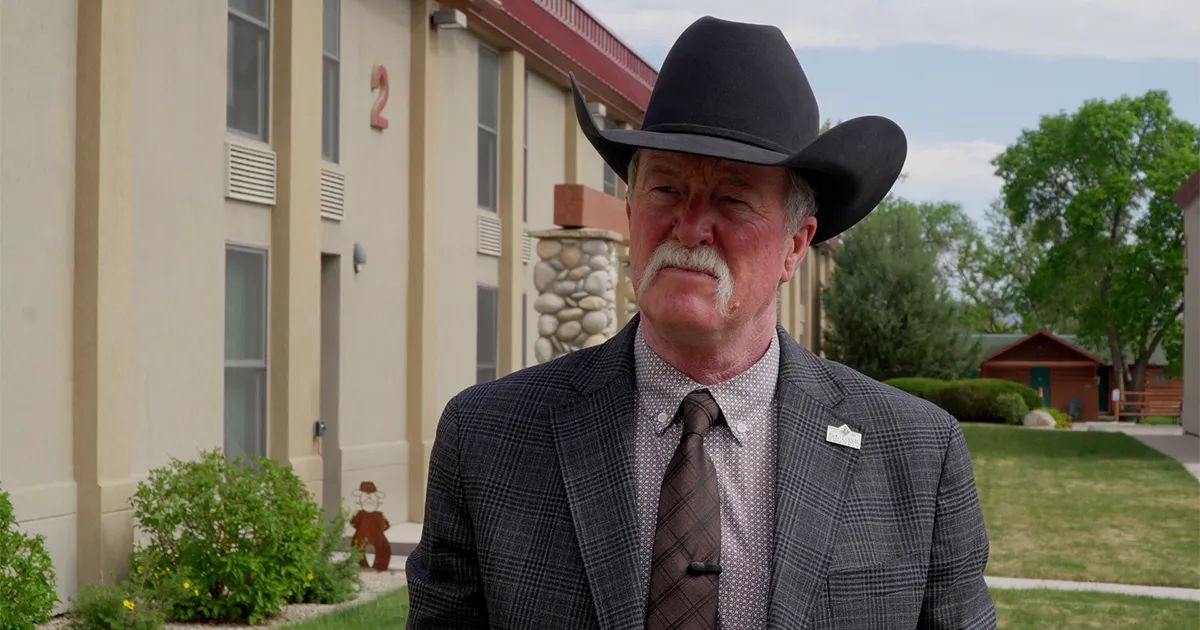
Public Lands Council President Tim Canterbury says momentum is building in Washington, D.C., for several key policy priorities that could significantly impact ranchers who depend on federal lands across the West.
Speaking during the Wyoming Cattle Industry Convention and Trade Show in Cody, Canterbury highlighted recent victories for public lands ranchers while urging producers to stay engaged as Congress considers several major pieces of legislation.
“As I flew in here last night, the drought across the Western United States is very significant,” Canterbury said. “It’s important that we make the rounds and talk to producers across the West about the important things we’ve been able to accomplish and the things we’re still working on.”
PLC Advocates for Key Federal Legislation
Canterbury said one of the organization’s top priorities remains passage of the SPEED Act, legislation designed to streamline environmental reviews and provide long-sought reforms to the Endangered Species Act and National Environmental Policy Act.
He also pointed to the Fix Our Forests Act as another critical piece of legislation that would improve wildfire management while expanding the role of targeted grazing in reducing fuel loads on public lands.
“These are very important bills,” Canterbury said. “We need local affiliates and producers contacting their members of Congress and helping us get these things across the finish line.”
Public Lands Rule Repeal a Major Victory
Among the biggest recent wins for ranchers was the Trump administration’s decision to rescind the controversial Public Lands Rule.
Canterbury credited PLC’s efforts throughout the process, from opposing the proposal to ultimately supporting legal challenges against it.
“We worked tirelessly on that rule from the time it was presented through the lawsuit we filed against it,” Canterbury said. “It went against the very core of our mission by elevating conservation to the same level as other multiple uses such as grazing and mining.”
He argued the rule conflicted with both the Taylor Grazing Act and the Organic Act.
“That was a tremendous win for us,” Canterbury said. “This administration listened, and getting that rescinded was a top priority for PLC.”
New BLM Leadership Welcomed
Canterbury also welcomed the recent Senate confirmation of former New Mexico Congressman Steve Pearce as Director of the Bureau of Land Management.
“Congratulations to Steve Pearce,” Canterbury said. “We’re very glad to have him at the helm. He understands the West, he understands our issues, and he understands multiple use.”
He said PLC looks forward to working directly with Pearce as the agency addresses grazing, public lands management, and other issues important to Western producers.
ESA Reform Gains Momentum
For years, ranchers have pushed for reforms to the Endangered Species Act, particularly when it comes to species that have exceeded recovery goals but remain federally protected.
Canterbury believes Congress may finally be positioned to take action.
“We finally have the opportunity for Congress to take action on delisting species and plants from the ESA,” he said. “For decades, these issues have been locked up in court through lawsuit after lawsuit.”
He noted that meaningful reform would help states regain management authority for species that have successfully recovered.
Ranchers Play Key Role in Wildfire Response
As drought conditions intensify across much of the West, Canterbury said ranchers remain among the first responders when wildfires break out on public lands and grazing allotments.
“One of the main components of the Fix Our Forests Act is elevating producers who are typically the first responders to wildfires that start on their permits or base properties,” he said.
The legislation would help provide ranchers with additional training and resources to respond quickly and effectively to wildfire threats.
Listening Sessions Shape Future Grazing Policies
Over the past year, PLC has conducted 11 public lands grazing listening sessions across the West, along with a virtual session, as part of ongoing efforts to improve grazing policies and implementation of the federal Grazing Action Plan.
“We heard a lot of the same things across the West,” Canterbury said. “Flexibility means different things depending on the producer and the state.”
He said PLC has compiled those findings and is providing recommendations to leadership at the Department of the Interior, Bureau of Land Management, and U.S. Forest Service.
“Now we’re taking what we heard and asking how we can implement and act on those ideas,” Canterbury said.
Looking Ahead to PLC Annual Meeting
Canterbury encouraged producers to attend the Public Lands Council Annual Meeting scheduled for September 15-17 in Copper Mountain, Colorado.
“We have a short window before congressional recess and elections,” he said. “We’re hopeful Congress will take action on several of these important bills this summer, and we’ll have a lot to discuss when we gather in Colorado.”
As ranchers continue facing drought, wildfire threats, predator management challenges, and regulatory hurdles, Canterbury says producer involvement remains essential to ensuring public lands policies reflect the realities of ranching across the American West.
For more information and to get registered click here.
Source: Western Ag Network


