
EPA Proposes End to Diesel Exhaust Fluid Deratements
August 5, 2026
The U.S. Environmental Protection Agency is proposing regulatory amendments to certain compliance provisions and test procedures related to model year (MY) 2027 and later heavy-duty highway engines. These amendments would include changes to the regulatory useful life periods and the emission-related warranty periods. The EPA also proposes to add clarity to certain regulatory compliance provisions and correct errors in the regulations to support the MYs 2027 and later program for heavy-duty highway engines and vehicles.
Cyrus Western, regional administrator of the Environmental Protection Agency said the recent proposed rule to eliminate Diesel Exhaust Fluid deratements entirely will translate to $12 billion saved by American truckers. He said reversing the Biden-era compliance requirements that are tied to DEF system failures that cause sudden losses of speed is a commonsense solution.
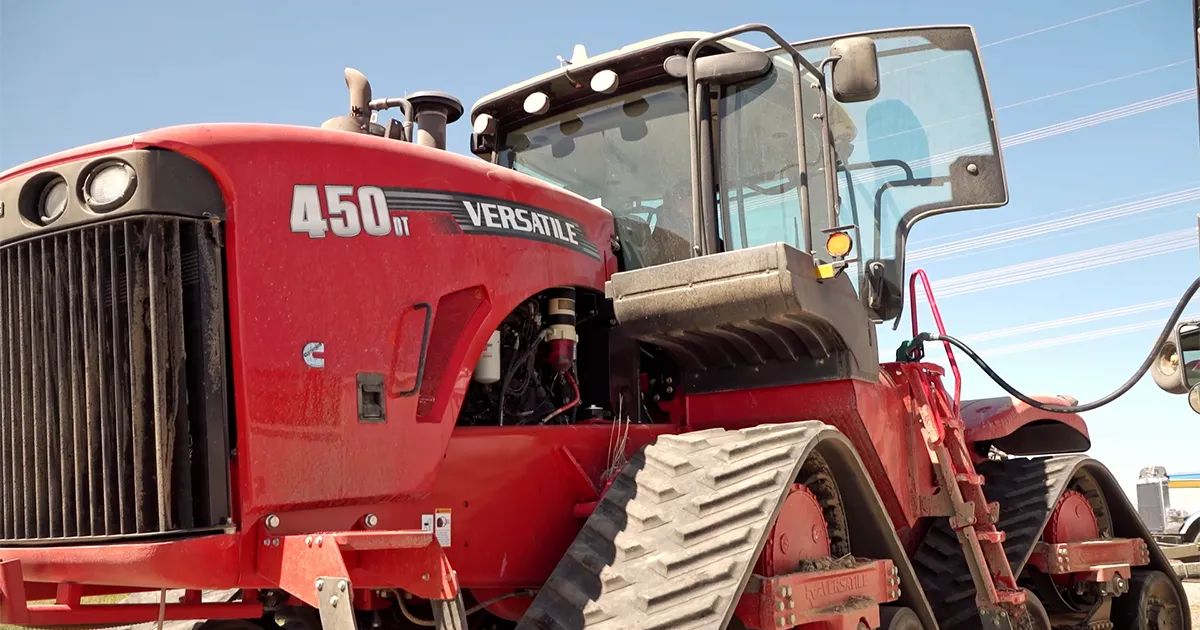
EPA is proposing to completely remove deratements and vehicle speed restrictions for newly manufactured highway engines and vehicles and new non-road engines and equipment, including those used in agriculture. Instead of trucks and tractors lurching to a halt when DEF systems fail, under EPA’s proposal, operators would receive visible and/or audible alerts that allow them to continue operating until they can safely address the problem. EPA is also taking public comment on whether guidance should be developed to allow manufacturers to implement this change for in-use on road and non-road engines and equipment.
SAVING MONEY AND FRUSTRATION
If finalized, the savings could reach up to $6,000 per vehicle on new truck purchases, on top of the increased productivity operators are currently losing when deratements cause sudden speed loss on the road. In addition to savings, he said there have been serious issues stemming from deratements.
“There have been horror stories; it’s not just people who have been inconvenienced,” he said. “There are important functions that haven’t been happening properly. For example, we’ve heard stories of fire trucks that run on a diesel engine with DEF that went into limp mode or got derated because of a faulty code so rather than being able to rush to the scene of a fire, they’re only able to go 5 miles per hour.”
He said similar stories have circulated about ambulances, school buses, and vehicles used in agriculture, making the elimination of the requirements something that helps people do the jobs that make society function.
Troy Lake has been one of the faces of the fight over DEF systems. Lake is a 64-year-old diesel mechanic from Wyoming who spent seven months in federal prison for deleting emissions systems on engines plagued with system failures. Pardoned by President Trump in 2025, Lake’s shop was raided in 2018. He told Cowboy State Daily in a 2025 interview that a more logical solution is needed for expensive emissions repairs that won’t put people out of work. EPA Administrator Lee Zeldin, Region 8 Administrator Western, and U.S. Sen. Cynthia Lummis, R-Wyo., all worked to secure a pardon for Lake.
“The previous administration and the left in general have weaponized the Clean Air Act to beat up on and go after average, blue collar Americans who are just trying to show up for their job and work hard. We saw these folks who were beat up on using the full force and authority of the federal government and that’s not acceptable. That’s not what the Clean Air Act is for. That’s something the administration and the president immediately recognized and took corrective action to right those wrongs and to ensure that federal authority is being used in a fair and reasonable way.”
He said under the Biden administration, the EPA experienced mission drift, taking the agency away from its mission of ensuring Americans all have clean air, clean water, and a clean environment.
The comment period is currently open
“The rules and regs process have lots of small details to sort through, it’s very litigious,” he said. “But, if we follow it well, what we’re doing is we are making really good, well-crafted rules that have followed the process on the books. One of the top ways that some of these agency laws get tossed out by a judge is they review the administrative record and they review some of the petitions that are getting filed in court against these rules.”
He said to ensure the rule isn’t easily tossed out is to follow the administrative procedures act to the letter. He can’t predict what a future administration will do, but said they are able to exercise control over following the rules.
“We saw the Biden administration on certain rules and regulations take a pretty hasty and sloppy approach and we want to do the exact opposite,” he said. “We want to make sure we’re doing things by the book.”
Submit your comments, identified by Docket ID No. EPA-HQ-OAR-2026-0728, at http://www.regulations.gov. The EPA will hold virtual public hearings on July 29, 2026, starting at 9 a.m. ET and on July 30, 2026, starting at 10 a.m. ET. If there is sufficient interest, an additional day of hearings will be held on the subsequent day. Comments must be received on or before Aug. 29, 2026.
Western said the agency will review the comments and if warranted, adjust or make clarifications to the rule.
Source: Rachel Gabel, The Fence Post Magazine/Western Ag Network


