
First Pseudorabies Case in Commercial Hog Facility Since 2004
May 6, 2026 – For the first time since 2004, pseudorabies has been detected in commercial swine. According to APHIS officials, the connection is likely contact with feral hogs.
Initial traceback indicates that the five affected boars came from an outdoor facility in Texas. Animals from that herd also tested positive for pseudorabies. APHIS is working with officials in Iowa and Texas to expand traceback efforts and identify any additional potential exposures.
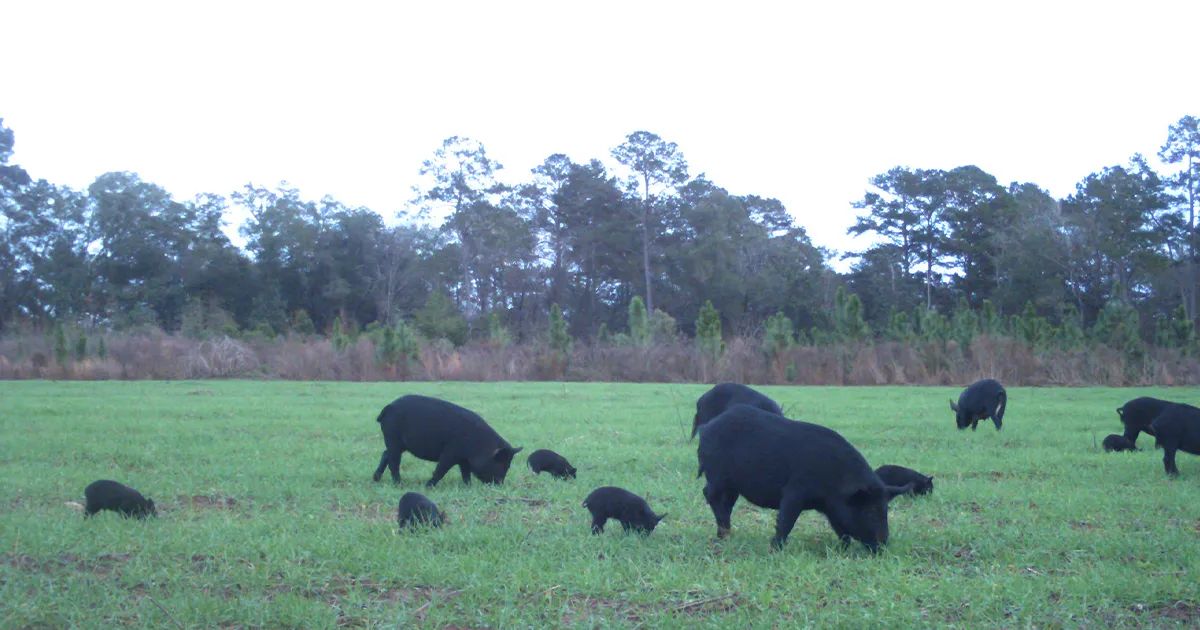
This marks the first known case of pseudorabies in commercial swine since 2004, when it was eradicated from the commercial swine industry. PRV is still prevalent in feral swine populations in the U.S. and there is occasional spillover of infection to outdoor production herds where contact with feral swine is possible.
Joyce Kelly with Colorado Pork Producers Association said feral hogs are numerous in Texas.
“Pseudorabies in feral swine is prevalent, it’s been there forever,” she said. “When you have hogs that are raised where they can touch noses through fences and that sort of thing, then it becomes transmittable. The concerning thing for our industry is that the hogs were bought from Texas and moved into a commercial operation in Iowa and now you have, for the first time in a commercial operation so that’s where the problem is because we’ve been commercially free of pseudorabies for some time.”
Kelly said testing is complete and the entire farm, which is isolated, has been depopulated. This detection does not pose a risk to consumer health or affect the safety of the commercial pork supply. There may be limited, short-term impacts on exports of U.S. swine and/or swine genetics.
Pseudorabies is a contagious viral disease of livestock and other mammals. However, pigs are the only natural hosts. While pseudorabies virus can infect most mammals, humans, horses, and birds are considered resistant.
Source: Western Ag Network


