
Propane Offers Stability and Savings for Farmers Facing Rising Energy Costs
April 3, 2026
As challenges continue to mount across farm country—from rising input costs to low commodity prices—many producers are searching for ways to cut expenses and improve efficiency. One solution gaining attention is propane.
Michael Newland, Director of Agriculture Business Development with the Propane Education and Research Council (PERC), acknowledges the financial pressure farmers and ranchers are facing today.
“It is a very tough time, depending on what segment of agriculture you're in. So we're very mindful of that… we try to run programs that may help folks alleviate some of those impacts on the financial side of things,” Newland said.
He says propane can play a key role in helping producers manage those challenges—particularly as diesel and gasoline prices remain elevated.
“As other energy sources do rise in cost, propane has been very stable. It’s very abundant, and we’re always looking to expand the uses of it,” he said.
Currently, propane is already being used on more than 800,000 farms across the United States. And thanks to strong domestic production, supply remains plentiful.
“Over 90 percent is produced here domestically in the U.S… we do have such an abundant supply… propane is a very stable priced fuel,” Newland explained.
That stability can make a big difference for producers trying to manage tight margins—especially compared to the volatility seen in other fuel markets.
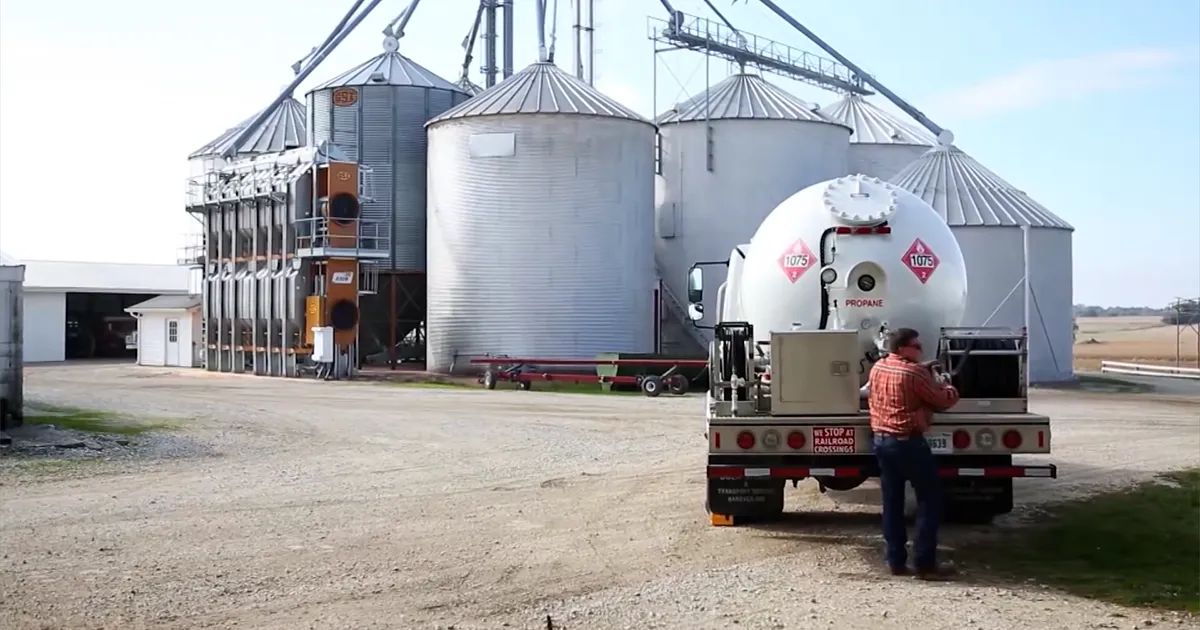
Beyond cost, Newland says propane offers versatility across a wide range of agricultural applications. From grain drying in the Midwest to heating livestock facilities and powering irrigation engines, its role on the farm continues to expand.
“Whether you're a grain farmer… in the livestock business… or running irrigation engines—propane is being used more and more, and the list just goes on and on,” he said.
Another growing concern for producers is energy reliability, particularly as strain on the electric grid increases. Newland says propane can provide a dependable alternative.
“We keep hearing stories about the grid becoming more and more fragile… farms are taking a look at their energy inputs and asking—is there a better alternative? I think propane definitely needs to be in your consideration,” he said.
For farmers and ranchers looking to explore propane options, Newland encourages visiting PERC’s website for additional information, including available programs and equipment rebates.
“If you want to learn more about propane around the farm… go to propane.com. We do offer programs and rebates for farmers investing in propane-powered equipment,” Newland said.
As producers continue to navigate economic uncertainty, stable and reliable energy sources like propane may offer a practical path forward in keeping operations efficient and profitable.
Source: Ag Information Network/Western Ag Network


