Montana Farmers Union President Urges Vigilance as New World Screwworm Threat Grows
July 6, 2026
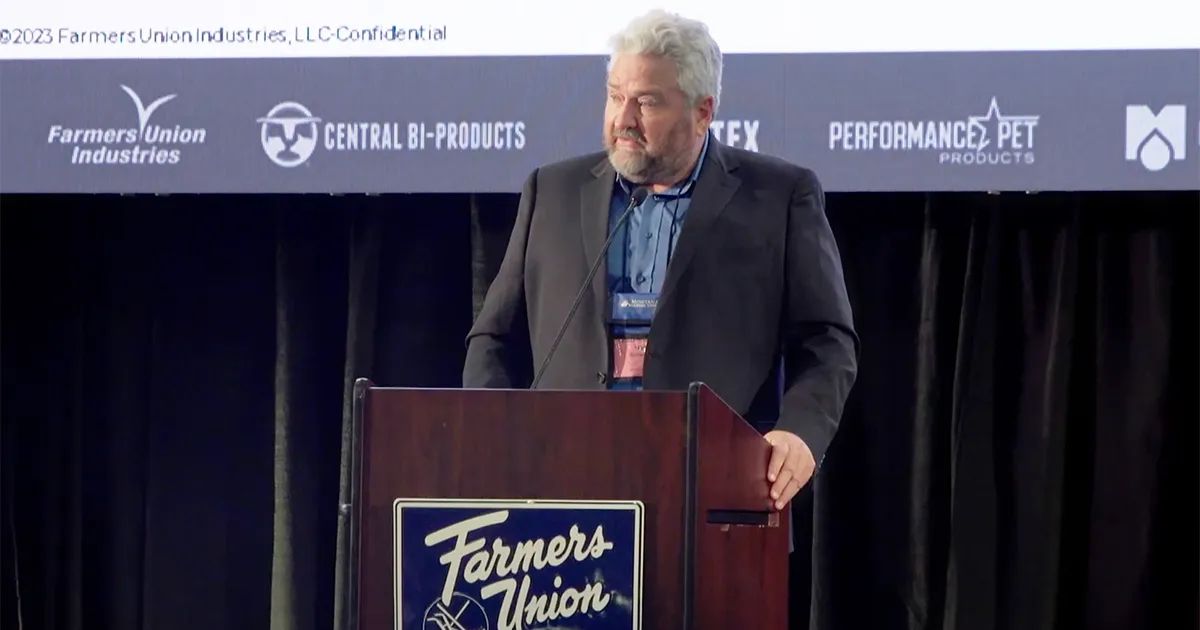
As concerns continue to grow over the spread of New World screwworm, Montana Farmers Union President Walter Schweitzer is encouraging livestock producers, pet owners, and state officials to remain vigilant to protect Montana's livestock industry and export markets.
Schweitzer praised the Montana Department of Livestock for taking a proactive approach by requiring imported animals from affected regions to be inspected and treated before entering the state.
"I really appreciate what the Montana Department of Livestock is doing," Schweitzer said. "They're being very proactive by insisting that any animals coming from New World screwworm regions be inspected by veterinarians and treated before they come into Montana."
Pets Could Also Carry the Pest
While much of the attention has focused on cattle and other livestock, Schweitzer says pet owners also need to be aware of the risks.
He cautioned that families traveling to southern regions where New World screwworm is present could unknowingly bring the pest home on dogs or cats.
"I really want to caution pet owners if they're traveling in the South to carefully inspect their animals," Schweitzer said. "Look closely for injuries or any signs of maggots in their ears, noses, or wounds."
He added that horse owners and rodeo competitors should also carefully inspect their animals before returning to Montana.
"Those animals could potentially carry New World screwworm back into the state as well."
An Old Threat Returns
Schweitzer noted that New World screwworm is not a new problem.
The United States successfully eradicated the pest decades ago through an aggressive sterile fly release program combined with extensive monitoring efforts that pushed the insect south into Central America.
"We developed a sterile fly program back in the 1960s that pushed New World screwworm south of Mexico," he explained. "For years we continued releasing sterile flies and monitoring the pest to keep it well away from the United States."
Concern Over Reduced Monitoring
According to Schweitzer, the current situation developed after New World screwworm was detected in southern Mexico in late 2024.
USDA initially responded by closing the border to Mexican livestock imports while officials assessed the situation.
However, Schweitzer believes subsequent policy decisions contributed to today's challenges.
He pointed to the elimination of a USAID-funded monitoring program that had helped finance sterile fly releases and surveillance efforts in Mexico.
"If we had maintained that strong monitoring program and continued working with Mexican authorities to keep New World screwworm in southern Mexico, we wouldn't be facing this situation today," Schweitzer said.
He argued that reducing approximately $15 million in funding for monitoring and eradication efforts could ultimately cost taxpayers billions as the United States works to prevent further spread.
Market Impacts Could Be Significant
While Schweitzer emphasized that New World screwworm does not pose a food safety concern, he warned that even a single detection in Montana could have major economic consequences.
Many Montana feeder calves are exported to Canada for finishing and processing.
"If New World screwworm were found in Montana, Canada could shut that border down," Schweitzer said. "They've already done it for Texas and New Mexico, and they're watching every state closely."
He noted that Montana's cold winters make it unlikely the pest could become permanently established in the state.
"It can't survive a Montana winter," he said. "That's probably one of the few good things about our winters."
Still, Schweitzer said even a temporary detection could disrupt cattle movements and negatively affect producers who rely on Canadian markets.
Staying Prepared
Schweitzer believes continued cooperation between state animal health officials, producers, veterinarians, and pet owners will be essential to keeping New World screwworm out of Montana.
He encouraged anyone traveling with livestock, horses, or pets from affected regions to carefully inspect animals and immediately report any suspicious wounds or infestations to their veterinarian or the Montana Department of Livestock.
"Montana has a strong Department of Livestock that's working hard to protect producers," Schweitzer said. "Now it's important that all of us do our part to help keep this pest out of our state."
Source: Western Ag Network


