Livestock Indemnity Fund to Include Preparation and Response
DENVER, CO., March 16, 2026 – States are preparing for the worst when it comes to highly pathogenic avian influenza and even New World screwworm. In Colorado, legislators are putting their money where their mouths are.
The Diseased Livestock Indemnity Fund bill, sponsored by Reps. Karen McCormick, DVM, D-Longmont, and Ty Winter, R-Trinidad, and Sens. Byron Pelton, R-Sterling, and Dylan Roberts, D-Frisco, just passed its third reading in the Senate. Under current law, livestock owners may receive compensation from the Diseased Livestock Indemnity Fund after their herd is required to be sold for slaughter or destroyed because it was exposed to a contagious disease.
The bill expands the allowable uses of the money in this fund to include preparing and responding to:
• infectious or contagious diseases that pose a threat to livestock; and,
• biological or chemical contaminants of animals that pose a threat to livestock.
State Veterinarian Maggie Baldwin testified in favor of the changes before the Senate Ag and Natural Resources Committee last week.
"In order to ensure that we're adequately prepared and able to respond to the threats that could impact our food security, we need to have adequate resources including funding to build and maintain resilience against new and ongoing livestock health crises," she said. "My division does not currently have any reserve funding, and at the end of the fiscal year, our leftover personal services funds go into the Livestock Disease Indemnity Fund."
She said the fund is currently limited in statute to indemnity, which she said is an important part of disease response to ensure producers are compensated for losses, but U.S. Department of Agriculture programs cover those losses to the level that doesn't require the use of state funds.
"Given the current state budget constraints, we feel this is a fiscally responsible way to meet our ongoing needs," she said.
POULTRY AND DAIRY
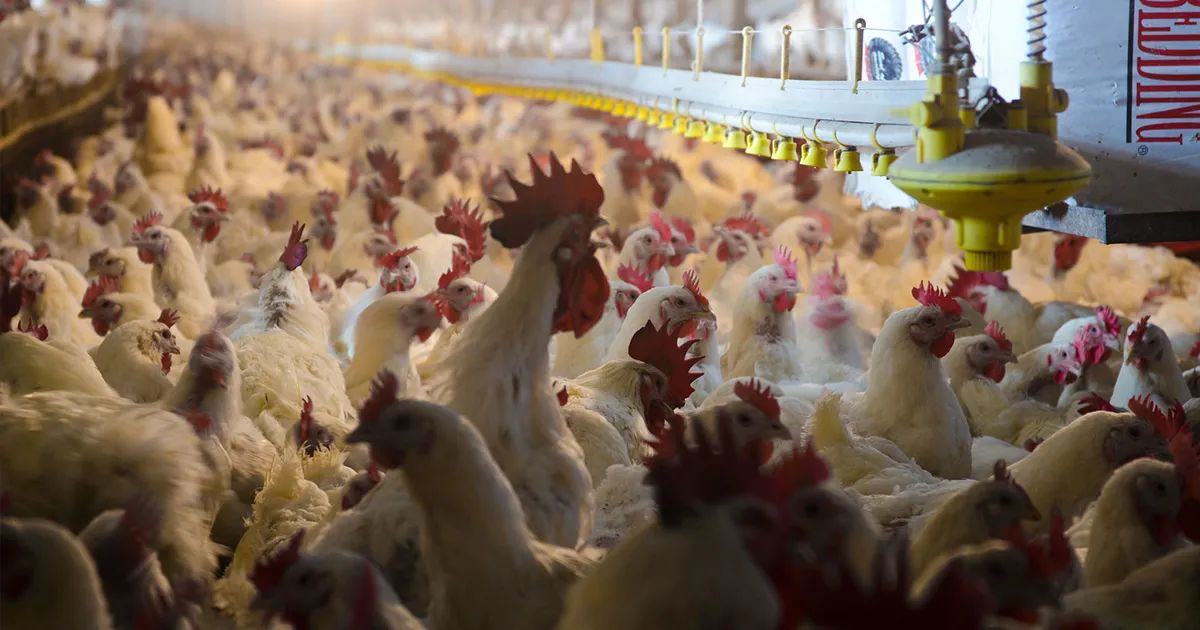
Baldwin said 11 million domestic poultry and 75% of the state's dairy herds have been affected by HPAI and she encourages the addition of preparedness and response to fund uses.
The bill also renames the existing fund the Livestock Health Preparedness, Response, and Diseased Livestock Indemnity Fund. Animal activist groups testified they hope to utilize the funds to find more human methods of poultry depopulation when needed. A bill on that topic was postponed indefinitely at the request of the sponsors.
Source: The Fence Post Magazine


