Better Berries: App Guides Producers to Times Most Ripe for Fungicide Application
May 19, 2026
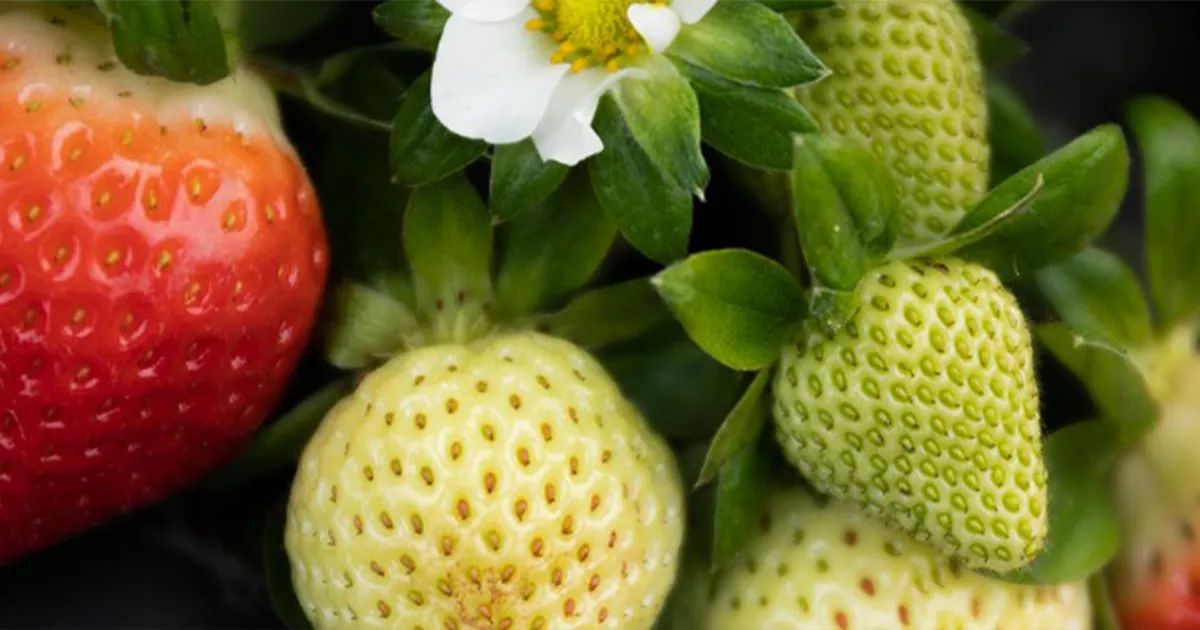
Producers in the West are certainly familiar with foot rot, but producers and consumers alike benefit from preventing fruit rot, specifically that afflicting Florida-grown strawberries, a $500 million a year industry that is enjoyed from coast to coast. Florida is a major producer of winter strawberries, second only to California, and while the season has wrapped up, an El Nino weather pattern bringing more rain next season has fruit rot – or Botrytis, the fungal disease that causes gray mold in berries – on the minds of growers. Researchers including Vinicius Cerbaro, a postdoctoral researcher at the University of Florida in Gainesville, in the agriculture and biological engineering department have created a system to alert growers when fungicides can be applied to best fight Botrytis. The original researchers, Dr. Clyde Fraisse and Dr. Natalia Peres, a plant pathologist, have been working to develop models and the in-field validation that have been combined with Cerbaro’s computer work.
“After years of work with growers, they were able to show the growers that they could spray less fungicide, instead of spraying it regularly, every 7 or 10 days, a weekly calendar, they could spray them only when conditions are favorable for disease based on weather, and based on those models that were validated,” Cerbaro said. “So, then the strawberry advisory System, which is a web tool and a web app was developed, and growers have been adopting it since then.”
The app has been scaled across Florida and also for use by growers in other states, including use in peaches and blueberries in South Carolina and even in some European countries. The disease, he said, is the same across locales, differing only by weather conditions
A software developer, Cerbaro scaled the system using AI and 74 years (1950-2024) of climate data, and now growers can receive a text alert based on data collected at UF’s AgroClimate Strawberry Advisory System’s weather stations. If a grower isn’t near a station, a virtual station can be created at a specific field to help that grower better time applications.
Cerbaro and his colleagues at the UF Institute of Food and Agricultural Sciences (UF/IFAS) focuses on what’s called the El Niño Southern Oscillation (ENSO).
ENSO is a periodic, natural and irregular climate cycle (every two to seven years) involving fluctuations in ocean temperatures and atmospheric pressure over the tropical Pacific Ocean.
ENSO reaches peak activity in December and January — right in the middle of the Florida strawberry season. It manifests itself in three phases: El Niño, La Niña and neutral. During El Niño, the warmer ocean phase, Florida experiences above-average rainfall and below-average temperatures, fostering increased humidity and creating prime conditions for escalating fungal diseases.
Based on their findings, the main strawberry-producing counties in Florida have an above average Botrytis risk from 50 to 70% of the time during an El Nino cycle. Spraying only when conditions are ripe, he said, will reduce applications and reduce the threat of spray resistance.
Cerbaro said Botrytis is known as a post-harvest disease.
“Botrytis is gray mold,” he said. “So, if you get infection, you might not see the fungus in the fruit until after it is harvested. That's why you go to the grocery store, sometimes you'll get strawberries and they have gray mold because it keeps developing even after it's harvested. That's one of the challenges with this disease.”
Florida’s strawberry industry accounts for over 16% of U.S. production and nearly 100% of strawberries produced during the winter. The 2022-23 season saw a substantial 21% increase and the value also rose by 28% to $511 million. Cerbaro said despite consistent revenue over the past decade, economic instability exists due to economic pressures such as competition from Mexico, labor shortage, government regulations, and weather and disease-related challenges.
Source: Rachel Gabel


