USCA Calls "Product of USA" Labeling Guidance A Major Win for Clarity
December 23, 2025
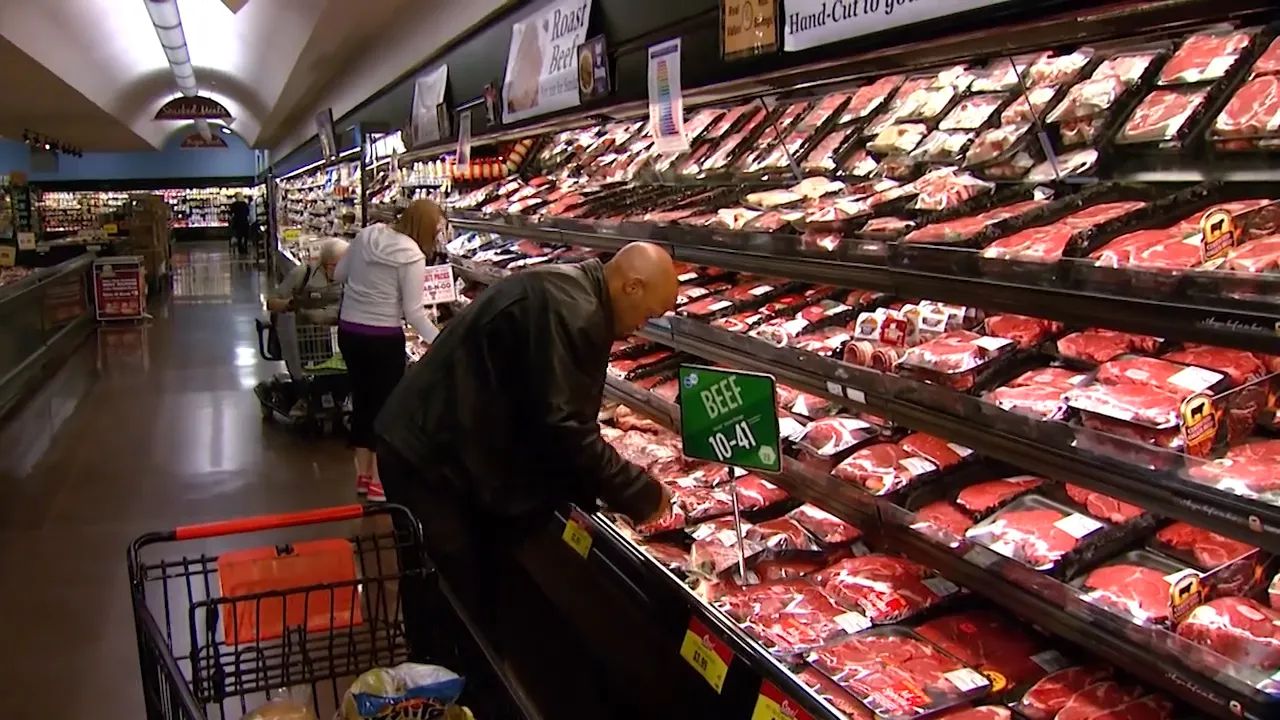
The U.S. Department of Agriculture’s Food Safety and Inspection Service (FSIS) has released updated voluntary labeling guidance for meat, poultry, and egg products ahead of the January implementation of new “Product of USA” labeling rules.
This updated guidance reinforces what U.S. cattle producers have long demanded: clear, honest labeling that reflects the true origin of livestock products—and it reflects years of persistent advocacy by the U.S. Cattlemen’s Association (USCA).
What the Updated Guidance Clarifies
FSIS’s revised voluntary labeling guidelines provide important clarification, including:
• “Raised” means from birth to slaughter
• “Product of North America” claims may be used only if truthful and compliant with agency rules
• Voluntary multi-country origin claims (such as “Product of USA and Canada”) must clearly and accurately reflect sourcing
• “Product of USA” or “Made in USA” claims apply only to products derived from animals that are born, raised, slaughtered, and processed in the United States
These clarifications stem from a rule USDA finalized last year that closed long-standing loopholes allowing imported livestock and meat to carry misleading U.S.-origin claims.
USCA’s Leadership: A Long Road to Truthful Labeling
This moment did not happen overnight. For nearly a decade, USCA has been at the forefront of the fight for truthful “Product of USA” labeling, consistently pressing USDA to align labeling rules with consumer expectations and producer realities.
Key milestones in USCA’s engagement include:
• 2018–2019: USCA formally petitioned USDA and FSIS to address misleading country-of-origin claims and enforce truthful labeling standards for beef and other livestock products.
(FSIS Responds to USCA Petition on Truthful Labeling)
• 2020: USDA formally responded to USCA’s petition and proposed regulatory changes aimed at closing the long-standing “Product of the U.S.A.” loophole that allowed imported cattle and beef to be marketed as domestic.
• 2024: After years of sustained advocacy, USDA finalized a rule significantly tightening how “Product of USA” and “Made in USA” claims may be used—marking a major regulatory victory for U.S. cattle producers.
(USCA’s Long Road to Truth in Labeling Secures Major Victory)
• 2025: FSIS released updated voluntary labeling guidance to support implementation of the new rule, providing additional clarity ahead of its January effective date.
Together, these actions laid the groundwork for the rule USDA finalized last year—and for the updated guidance now being released ahead of implementation.
Why This Matters to Producers and Consumers
Truthful labeling:
- Protects U.S. cattle producers from unfair market competition
- Ensures consumer confidence in origin claims
- Reinforces the value of American-raised cattle
- Prevents misleading marketing that undermines domestic production
What Comes Next
The updated FSIS guidance will support implementation of the new voluntary “Product of USA” labeling rules beginning in January. USCA will continue monitoring enforcement and advocating for strong oversight to ensure the rule delivers on its promise.
USCA members can be confident: your association led this effort, stayed the course, and delivered meaningful change for U.S. cattle producers.
Looking Ahead: Building Toward Stronger Origin Transparency
While these updates represent a significant milestone, USCA has consistently emphasized that mandatory, clear and enforceable origin transparency remains the long-term objective.
The strengthened voluntary “Product of USA” standards—and the updated FSIS guidance supporting them—represent meaningful progress toward that broader mandatory goal. By tightening definitions, closing loopholes, and curbing misrepresentation, USDA has taken important steps to restore integrity to origin labeling and ensure claims better reflect production reality.
Addressing false and misleading claims about where cattle are born, raised, and processed is a substantial win for U.S. producers. For too long, imported livestock and beef products have benefited from labeling practices that blurred the distinction between domestic and foreign production. Establishing clear, defensible standards in the voluntary space helps create the foundation for stronger, more transparent labeling policies in the future.
Source: USCA


