
.png?fit=outside&w=1200&h=630)
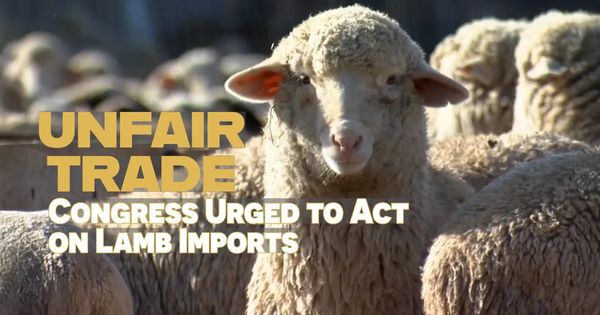
Sheep Producers Call for Trade Action
January 1, 2026
As U.S. sheep producers continue to raise concerns about the impact of imported lamb on domestic markets, the American Sheep Industry Association (ASI) is urging producers to step up outreach to Congress ahead of an extended January 9 deadline.
ASI is seeking bipartisan support for a Section 201 global safeguard investigation under the Trade Act of 1974, which would allow the U.S. International Trade Commission (ITC) to determine whether rising lamb imports are causing serious injury to U.S. producers.
According to ASI Secretary-Treasurer Tammy Fisher, a sheep producer from Sonora, Texas, lamb imports—primarily from Australia and New Zealand—have increased sharply over time.
“We’ve seen imports from Australia and New Zealand rise from about 45 percent over many years to 70 or even 75 percent now,” Fisher said. “That’s a huge volume coming in, and it’s not competitive for U.S. producers.”
ASI is advancing “Dear Colleague” letters in both the U.S. House and Senate, urging lawmakers to ask the U.S. Trade Representative to support an ITC investigation under Sections 201–202 of the Trade Act. The House letter is being led by Rep. Doug LaMalfa (R-CA), while the Senate letter is spearheaded by Sen. Steve Daines (R-MT).
Originally set to close earlier this month, the deadline for congressional signatures has been extended to Friday, January 9, 2026, giving sheep producers additional time to contact their U.S. Representatives and Senators and request their support.
Fisher says U.S. sheep producers face multiple disadvantages compared to foreign competitors.
“They have access to drugs and production tools that we don’t have, and they don’t face predator pressures like coyotes and wolves,” Fisher said. “That creates an unfair playing field, and imported lamb often comes in cheaper than what U.S. producers can supply.”
While ASI says trade plays an important role in meeting consumer demand, Fisher emphasized that fairness—not protectionism—is the objective.
“Trade is good. Competitive trade is good,” she said. “We need imports to help fill shelf space, but we also need to grow more lamb in the U.S. at the same time. We’re looking for fair trade and remedies that help level the playing field.”
If approved, the Section 201 action would trigger a formal six- to nine-month investigation by the ITC.
“It’s essentially a lawsuit and a long process,” Fisher said. “It’s also expensive, but it’s a long-term investment in the future of our industry.”
ASI says additional congressional signatures are still needed and continued outreach from producers and state sheep associations is critical in the final days leading up to the extended January 9 deadline.
Source: Western AG Network


