
Rodenticide Prohibition Bill Held Over in Senate Ag Committee
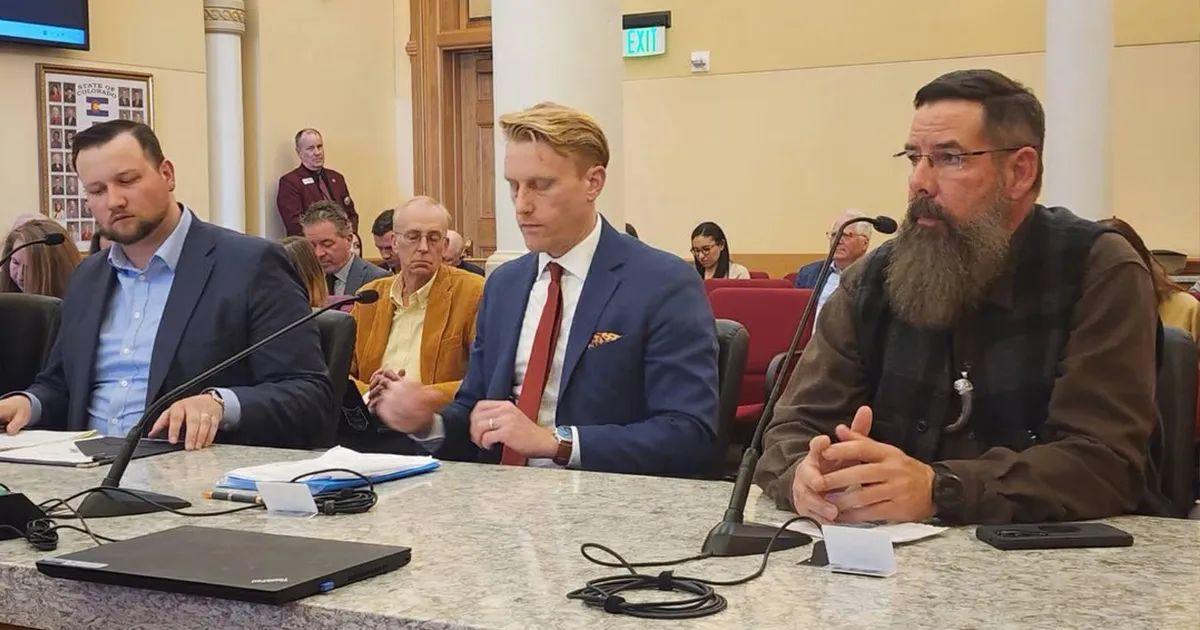
DENVER, CO., February 23, 2026 – Colorado State Sen. Lisa Cutter, Sen. Cathy Kipp, and Rep. Elizabeth Velasco introduced SB26-062 Rodenticide Use Restrictions and two amendments were passed prior to the comment portion before the Senate Agriculture and Natural Resources Committee. It was ultimately laid over for further discussion after five hours of back and forth comments, confusion, and sometimes contentious commenters.
The first amendment designates a non-anticoagulant rodenticide containing bromethalin as the active ingredient will not be a restricted use and limited use pesticide if it is sold in a single retail package less than one pound; it is a prepackaged, single use, tamper-resistant bait station; or if the product is not sold or distributed as a bulk or refill package.
The second amendment removes the definition of a “certified operator” from an individual who applies any restricted-use pesticides for a commercial applicator, registered limited commercial applicator, or registered public applicator, without the on-site supervision of a qualified supervisor that should be licensed. A second amendment instructs the Commissioner of Agriculture to adopt rules limiting the use of second-generation anticoagulant rodenticides to circumstances in which rodent activity is present and nonchemical measures have been implemented unless this implementation is not feasible due to the conditions of the site, an imminent public health risk; a structural safety hazard, or the immediate protection of food safety or critical infrastructure. The Commissioner rules will also prohibit preventative, routine, or indefinite deployment of second-generation anticoagulant rodenticides; and restricting outdoor or open-area use of second-generation anticoagulant rodenticides to structure locations with documented rodent activity; prohibit the use of second-generation anticoagulant rodenticides in and adjacent to single family residences; require the removal of second-generation anticoagulant rodenticides when rodent activity ceases; and requires electronic monitoring to confirm rodent activity prior to using bait. Glue boards are also for use only by a certified operator.
The rules set by the Commissioner must prioritize the protection of people, pets, livestock, wildlife, and the environment from primary and secondary exposure; not prohibit use required by federal or state law; establish a process for a 30-day temporary suspension of the prohibitions if use is necessary to protect public health, food safety, housing conditions, livestock, agricultural resources, pets, wildlife, or the environment.
In her introduction, Sen. Kipp cited a Colorado Parks and Wildlife study on coyotes that tested positive for brodifacoum during necropsy. While there is a CPW staff member listed, Dr. Liz Fox is a now-former CPW Wildlife Pathologist who is now at the Colorado State University College of Veterinary Medicine and Biomedical Sciences. This 2015 study was through the University of Nebraska- Lincoln, the USDA Animal and Plant Health Inspection Service or APHIS.
In an email, the Center for Biological Diversity claimed: “Wildlife who eat poisoned rats, mice, gophers, moles, and other rodents can suffer internal bleeding, organ failure, and other painful afflictions that usually lead to death. And exposure happens far too often: A Colorado Parks and Wildlife Study found that 100% of the Denver-area coyotes it sampled had been exposed to deadly rodenticides.”
The abstract outlines the study, explaining that the livers of five coyotes in the Denver Metropolitan area were tested for anticoagulant rodenticides. “All five livers were positive for brodifacoum, with values ranging from 95 ppb to 320 ppb, and one liver was positive for bromadiolone, with a value of 885 ppb. Both of these rodenticides are second-generation anticoagulants, which are more potent and more likely to cause secondary poisoning than first-generation anticoagulants due to their accumulation and persistence in the liver. We concluded that exposure to these rodenticides may have caused the death of at least two of the five coyotes, and urban coyotes in our study area are commonly exposed to rodenticides.”
Opponents cited public health concerns, increased costs, increased regulations, existing federal restrictions, additional licensing requirements, and a lack of clarity regarding the problem solved by the legislation. Opponents of the bill included the state’s agriculture trade organizations, pest control associations, Common Spirit Health, Colorado Restaurant Association, Colorado Counties, Inc., Colorado Real Estate Alliance, Denver Metro Chamber of Commerce, Colorado Hotel Lodging Association, and Colorado Real Estate Alliance, among others.
After five hours of comments by proponents and opponents of the bill, the sponsors agreed to lay it over for further discussion. The bill’s sponsor, Sen. Lisa Cutter is also a prime sponsor of SB26-097 which seeks to decriminalize adult commercial sexual activity. Sen. Cathy Kipp, who is a member of the Agriculture and Natural Resources committee, is also a sponsor of SB26-065 Systemic Insecticide Use Limitations. SB26-1132 Practices to Support Pollinators. Rep. Elizabeth Velasco is also a sponsor of SB26-081 Increase Agricultural Employee Overtime Protections, SB26-065 Systemic Insecticide Use Limitations, SB26-1270 Ownership of Agricultural Data, and SB26-1230 Extend Conservation Easement Tax Credit.
Source: Rachel Gabel, The Fence Post Magazine


