
Pillen: Value-added Agriculture is the Answer
LINCOLN, NE., December 15, 2025 – Nebraska cattlemen, Tyson leadership, and the Pillen administration are working together to keep the lights on at the Lexington meat packing plant that is scheduled to shutter in January. Nebraska Gov. Jim Pillen said no options are off the table when it comes to helping cattle producers and the 3,200 employees of the Tyson plant in Lexington.
Pillen said there is an extraordinary amount of work being done to move Lexington in the right direction and to keep business and good people in the state. He said it’s very difficult when one employer affects so many individuals and families and businesses in one city.
He said Tyson has assured him that the cattle contracted to the Lexington plant after Jan. 21 will be honoring the contracts and paying the extra freight. Pillen said if Tyson chooses to shutter the plant entirely, he will explore every option to keep it open and adding value to the community somehow.
“We’ve certainly been working on that and there are more and more families interested in that model because the model has been sustainable and working both in the beef industry and the pork industry,” he said. “That is a realistic option, but in the end, Tyson owns the plant and we have to deal with that.”
Pillen said Tyson is an important part of Nebraska’s agriculture industry and a major employer in the state. Tyson also owns a beef plant in Dakota City, a bacon plant in Omaha, Smart Chicken in southeast Nebraska, and a 10-000 head per day pork plant in Madison.
Even as the industry reels from the announced closure, he said the vision of agriculture in Nebraska is on point.
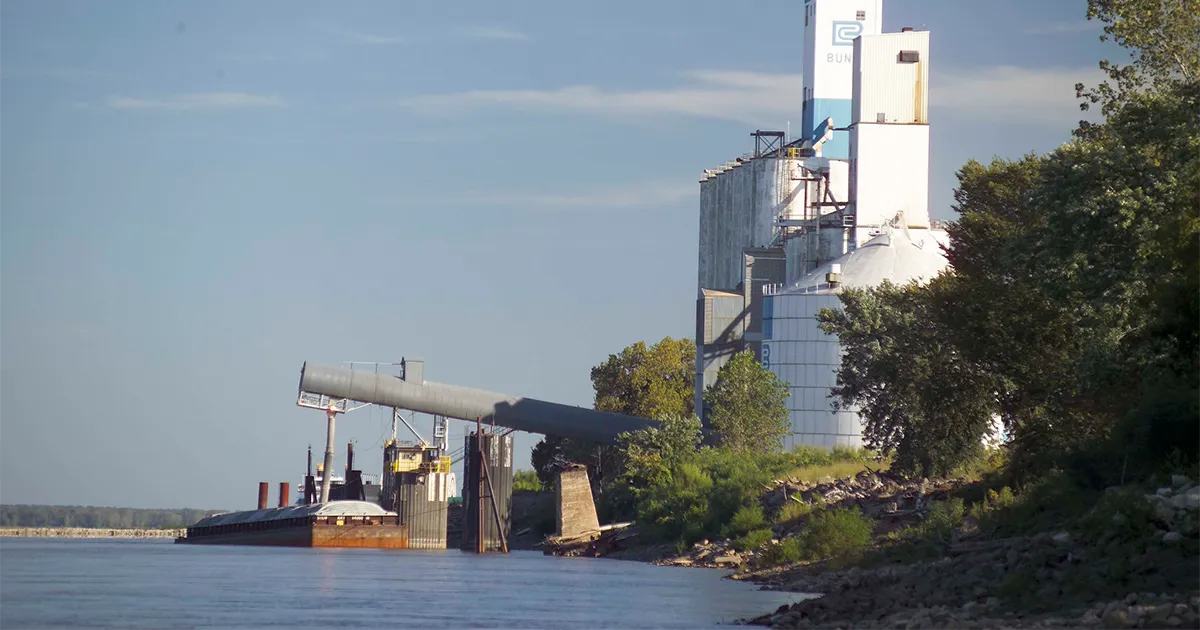
“Being the first governor in Nebraska from agriculture in 100 years, the vision’s really, really simple,” he said. “Value-added agriculture. We do not want to keep continuing to ship barges of corn or barges of soybeans to foreign countries. We want to process them at home. That’s a great message all Nebraska farmers need to know now.”
He said the Norfolk crush plant started last year and the AGP plant in David City, Nebraska, combined take up 25% of the soybean crop which means with all the other plants in the state, Nebraska has no need to export soybeans.
“We can process 300 million bushels of soybeans a year, which with a couple of other plants just on the other side of the river, it creates an extraordinary value-added for Nebraska farmers.”
Additionally, he said the Tallgrass Pipeline will allow the capture of CO2 and will result in the highest valued ethanol in the U.S.
“That means ethanol plants are growing and doubling in size and creating more value and more incredible careers,” he said. “This leads to the opportunity for aviation fuel. We’re working with a company that will have a gigantic footprint making polypropylene from Nebraska ethanol, a $7.5 billion business.”
Pillen said the aviation fuel industry is anticipated to be three times the size of the ethanol industry.
Farm management analyst Kent Thiesse said economic analysis by the American Farm Bureau Federation for 2025 corn production, the average grower will lose $150 per acre based on the national average 186 bushels per acre yield and the projected USDA 2025 market year average price of $4/bushel. This estimate, he said, excludes any traditional or added farm program payments.
Based on those estimates, the calculated loss for soybeans in 2025 is over $80/acre based on the national average 52 bushels/acre yield and the projected MYA price of $10.50 per bushel. Estimates by industry experts, he said, project $150 to $200/acre losses for many sugarbeet growers in Minnesota and North Dakota.
Thiesse said much of the pain, notably in a year with record setting or near record crops, has resulted from lack of grain marketing opportunities. Keeping processing in Nebraska, Pillen said, eases this for Nebraska farmers.
“In Nebraska, it’s about the people, the water, the food – we have an extraordinary livestock industry, we’re number one in cattle now and because of the carbon capture pipeline, we’re number one in ethanol,” he said. “That does nothing but enhance our food security and fuel security. Lastly, we have gigantic opportunities for electricity and all the good that can do.”
He also said Blackshirt Feeders is currently halfway to anticipated capacity with 100,000 head currently on feed. Blackshirt is known for use of roller-compacted concrete, which creates an impermeable, sloped surface that eliminates mud, reduces odor and flies, allows for more efficient cleaning which, in turn, eases manure collection to source to the adjacent methane digesters.
“We have another feeder redoing their year with rolled concrete and that yard will grow from 85,000 to 155,000 head,” he said. “We can feed cattle better than anywhere in the world because of our weather, our corn, our ethanol, and its byproducts. It’s remarkable.”
Source: Rachel Gabel, The Fence Post Magazine


