
Drummond's Alpha-gal Announcement Thrusts "Meat Allergy" into Spotlight
June 18, 2026
Ree Drummond, The Pioneer Woman, a cooking celebrity who is married to a cattle rancher in Pawhuska, Okla., reported this week that her son-in-law has contracted alpha-gal syndrome (AGS) from a tick bite. This has thrust alpha-gal and the associated "meat allergy" into the national spotlight, though cattle producers in the southeast and east are no stranger.
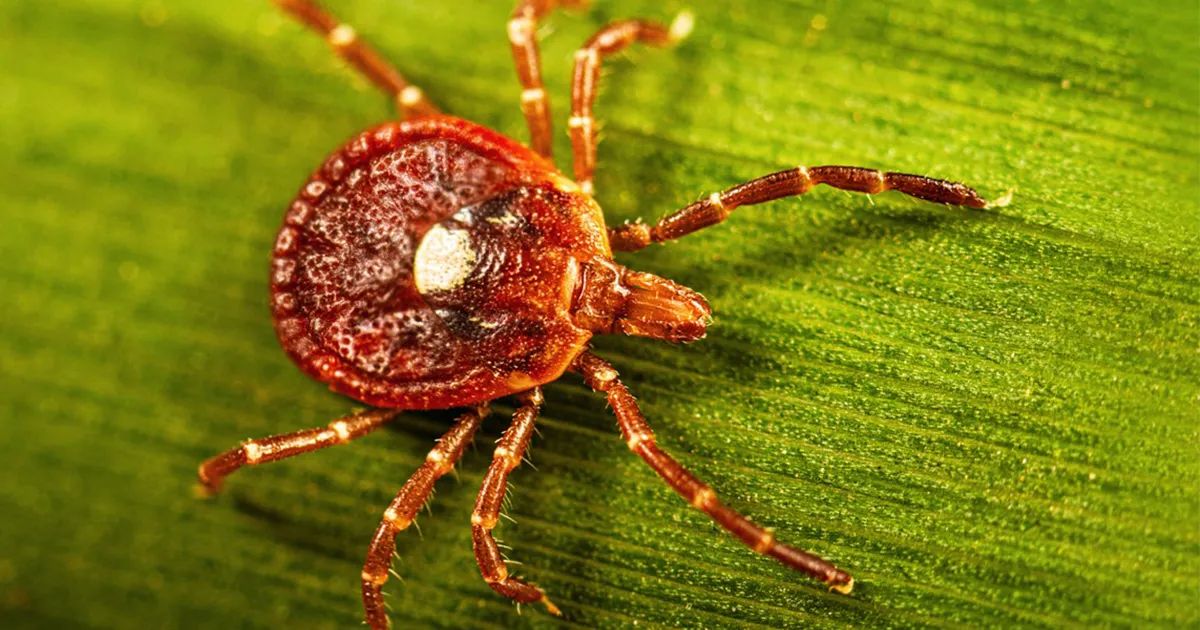
Lone star ticks carry AGS, which affects some people and not others who are bitten by the tick. AGS causes an allergic reaction after consuming beef, pork, and other animal products – typically excluding poultry – ranging from pain to anaphylaxis.
Ethan Lane, National Cattlemen’s Beef Association Senior Vice President of Government Affairs said Drummond has a large influence on the buying habits of home cooks across the country and her connection to ranching gives her authority with her audience. He said the country is dealing with several high-profile vector borne disease issues and they’re not just cattle issues.
“We've been working with Congress in the last couple appropriation cycles to direct more research dollars towards tech research, toward ensuring that we have more tools available, more understanding of how these ticks are moving, and what we need to be doing to slow this spread,” Lane said. “You know, we were looking at 10 states and we're seeing that boundary of where these things are showing up, continue to spread year over year, but I think it's important that we keep the pedal to the metal as far as asking Congress to continue funding research and following up on some of these projects that are already underway.”
He said Virginia Tech and their meat science department is working on alpha-gal free cattle so there is innovation on that end and research on the reaction itself and shortening the symptoms, their diet, and thereby, their buying habits.
“So, a lot more understanding is needed here in the research department to understand what we really are working with,” he said.
In the pork industry, though, some additional modifications are well underway. GalSafe pigs are engineered to eliminate the gene responsible for producing alpha-gal. According to Revivicor, Inc., a biotech company that genetically engineers pigs for medical use and to research the use of pig organs for human transplantation, the alpha-gal sugar that causes the odd meat allergy due to AGS can also cause a human immune system to reject and destroy a transplanted organ from an ordinary pig. The alpha-gal gene removal is key for successful transplants and with the additional dietary benefit, they’re no ordinary pigs.
The company is a spinoff of the company that cloned Dolly the sheep, and harvest the pigs with the intention of using their hearts and kidneys in xenotransplantation into human patients. Harvesting a hog for those two organs leaves a lot of products unused, and without the alpha-gal gene, the meat is safe for consumption by people who have AGS. The pigs can also be used to produce products like heparin, a blood thinner derived from pig intestines that could then be used to treat AGS patients. The FDA approval for use as human consumption and as a source for xenotransplantation marks the first time the agency has approved an intentional genomic alteration in an animal for this dual purpose.
The pork from Revivicor hogs isn’t commercially available. According to the company, the pork from the hogs raised for organ transplant research is shared free of charge with allergy patients.
Anti-animal agriculture activists are taking the attention on AGS to promote the end of animal products in the American diet and many are leaning on a 2025 white paper.
In 2025, two bioethics professors at Western Michigan University proposed intentionally spreading AGS through ticks. In the abstract for Beneficial Bloodsucking by Parker Crutchfield and Blake Hereth printed in the journal Bioethics, the pair argue “that if eating meat is morally impermissible, then efforts to prevent the spread of tickborne AGS are also morally impermissible.” They maintain that AGS is a “moral bioenhancer if and when it motivates people to stop eating meat.” Promoting the proliferation of tickborne ABS, they wrote, is morally obligatory.
Source: The Fence Post Magazine


