Rural America’s Vet Shortage: Zoetis Shines Spotlight on Those Answering the Call
October 30, 2026
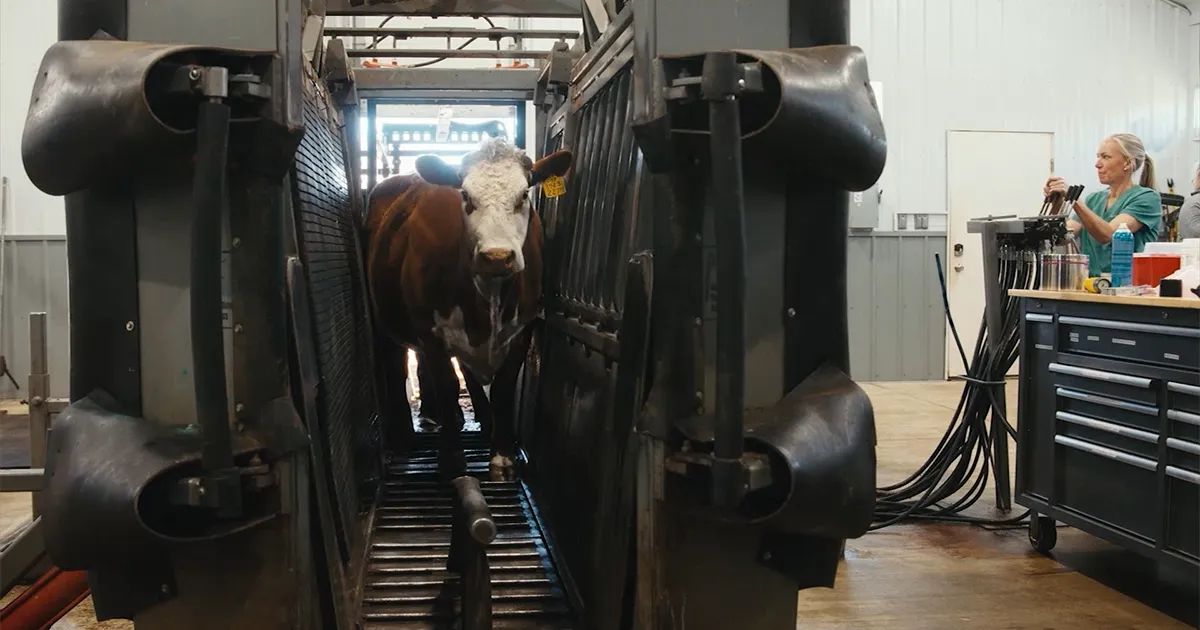
Based on estimates from the U.S. Department of Agriculture, more than 500 U.S. counties across 46 states experienced a large-animal veterinary care shortage in 2025.1 This is one of the largest shortages ever recorded. Through the Born of the Bond Series, Season 3, Zoetis has now turned the attention to how veterinarians and livestock producers across the country are facing this care shortage.
“Across the country, livestock producers are feeling the strain of a growing shortage of veterinary care,” said Mike Lormore, DVM, MS, MBA, Director of Cattle and Pork Technical Services, Zoetis. “When producers don’t have reliable access to veterinary care, it’s not just the health of their animals at stake; it’s their ability to run a viable operation and keep a safe, quality food supply flowing to consumers.”
The first episode of Season 3 features Stillwater Veterinary Clinic, Absarokee, Montana. The episode shows how the clinic evolved its care model and recruited a new associate veterinarian to help address the demand across a growing geography.
Dr. Mitch Blanding, Zoetis Director of Technical Beef Services discusses the new season and the critical role veterinarians play in protecting livestock health, supporting ranchers and strengthening America's food supply.

The speakers addressed two topics during the panels following the movie premiere:
· Recruiting veterinary students with an interest in serving in rural care areas and focusing on production livestock
· Recruiting and retaining new veterinary associates to serve in rural care areas
Dr. Biggs joined Jesse Olsen, DVM, MS, Stillwater Veterinary Clinic, to address the issue of recruiting more students with the intention of serving in a large-animal or mixed-practice clinic.
“Rural veterinarians are often the most influential recruiter for their profession through job shadowing, mentoring and internships,” Dr. Biggs said. “It’s important to be honest about the rewards and challenges of being in rural practice so students know the reality of what they are working toward.”
Dr. Olsen, owner and partner in Stillwater Veterinary Clinic, shared that loan repayment programs are important when it comes to recruiting students into production animal veterinary studies.
“None of us enter this profession without significant debt, but loan repayment programs tied to working in an underserved area can help with that debt and help a rural area have veterinary services,” Dr. Olsen said. “It’s also helpful when recruiting new associates into a clinic.”
The discussion shifted from recruiting large-animal veterinary students to retaining veterinarians in practice. Dr. Gunderson shared insights from several industry surveys that looked at what kept veterinarians in the profession and what drove them to leave practice.
“Veterinarian surveys and anecdotal evidence indicate that managing on-call burden, or providing emergency services, is at the center of rural veterinarian retention,” Dr. Gunderson said. “The burden of needing to be available for emergencies 24/7 is often the most-cited reason for veterinarians leaving large-animal or rural practices. At the same time, in a recent survey of cow/calf producers, the vast majority indicated that having a veterinarian available for emergencies is the thing they value most about their veterinarian-client relationship. This presents a very real dilemma and highlights the need for veterinarians and producers to work together to address the issue of veterinarian retention.”
Dr. Gunderson also talked about how important rural training programs are early in a veterinary student’s career. He shared that the Veterinary Training Program for Rural Kansas has seen success in retaining students who have completed the program. Out of 108 students admitted to the program, 95% of graduates are fulfilling or have fulfilled their commitment to practice in a rural county, 86% of those who completed their four-year obligation are still practicing in a qualifying county, and 92% are still working in Kansas.
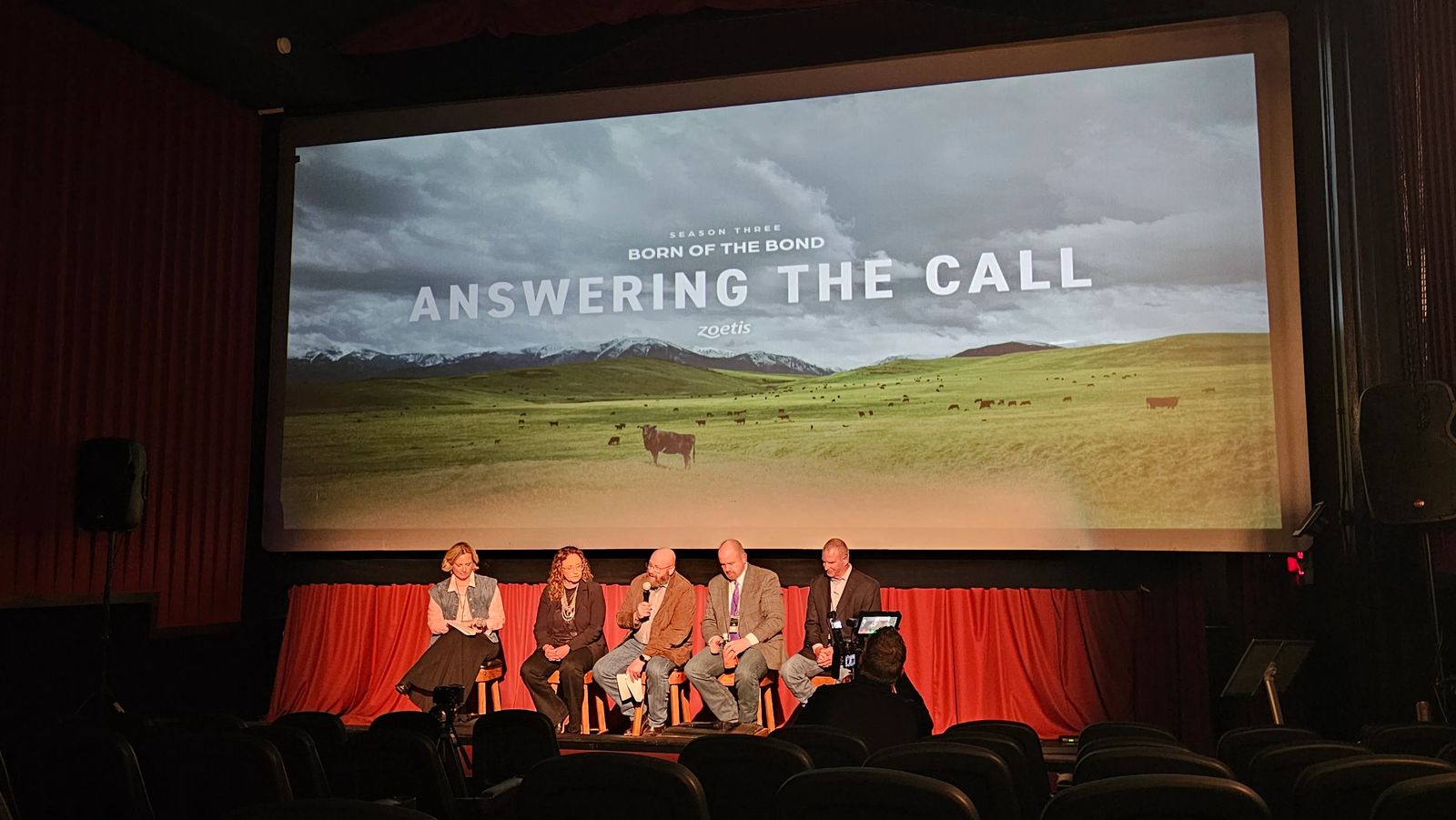
Lacey Fahrmeier, DVM, owner and partner in Stillwater Veterinary Clinic, joined Dr. Gunderson on the panel and said the value of adding another associate veterinarian has paid dividends in reducing the number of on-call hours across the team and allowing a better work/life balance. “Just the addition of one more veterinarian in the practice made a big difference for the entire team,” Dr. Fahrmeier said.
“When we hire younger associates, we need to make sure we mentor them and help them become better veterinarians,” Dr. Fahrmeier added. “It takes effort to recruit them, and it is important to help them thrive in this career with some extra guidance.”
As the evening program wrapped up, Mitch Blanding, DVM, MS, Director of Beef Technical Services, Zoetis, shared some of the ways Zoetis, farmers, ranchers and communities can support production-animal veterinarians to be able to provide the much-needed care in so many rural communities.
“Whether it is direct service and support in the field, or providing continuing education opportunities, Zoetis is dedicated to the success of our veterinary customers,” Dr. Blanding said.
Support from Zoetis doesn’t end with current veterinary customers. It extends to those pursuing a veterinary education.
“Each year, Zoetis awards 16 scholarships to students entering the bovine veterinary practice through our American Association of Bovine Practitioners grant, adding up to $1.5 million in scholarships since 2009,” Dr. Blanding said. “Zoetis also supports the National FFA Organization, with $1 million donated since 2023. And finally, Zoetis continues to support Folds of Honor. Since 2022, we have donated more than $2 million to Folds of Honor, helping to fund more than 460 scholarships for students, many of whom are pursuing careers in agriculture and veterinary medicine.
“As we’ve seen through the conversations at this event, building the rural veterinary workforce requires collaboration among many groups. It won’t be solved in one single approach but through many solutions.”
Born of the Bond, Season 3 – Answering the Call, premiered today on the Zoetis Livestock YouTube channel. All episodes are also available to view at BornOfTheBond.com.
Source: Zoetis


