Nevada Rancher Ron Cerri Takes Reins of Public Lands Council
September 21, 2026
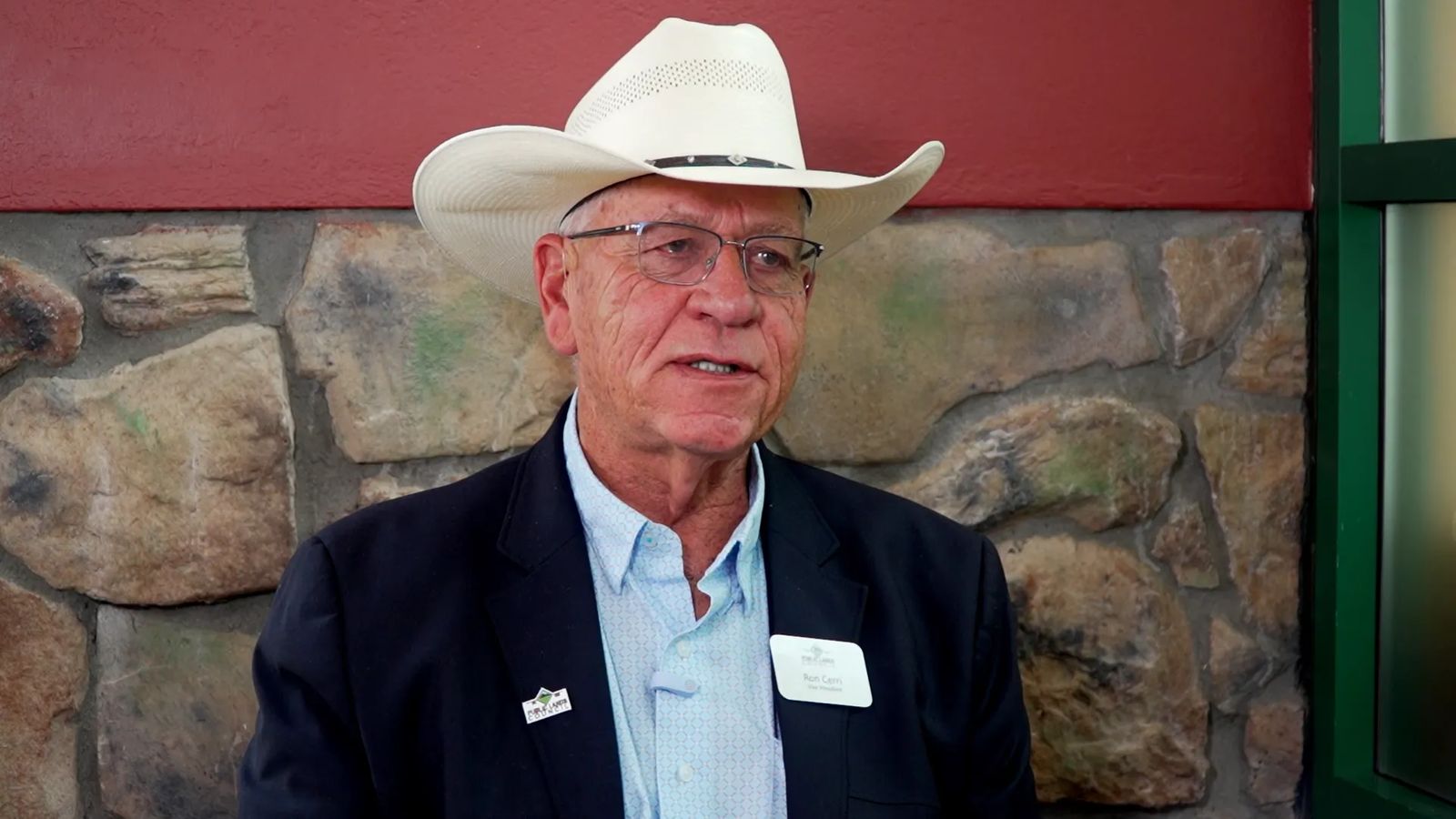
A changing of the guard is underway at the Public Lands Council as Nevada rancher Ron Cerri takes over as president following PLC’s 58th Annual Meeting in Copper Mountain, Colorado.
Cerri, who has been involved with PLC for nearly 30 years and most recently served as vice president, will succeed Colorado rancher Tim Canterbury following the organization’s 58th Annual Meeting in Copper Mountain. PLC’s annual meeting brings federal lands ranchers together to establish the organization’s policy and advocacy priorities for the coming year.
For Cerri, stepping into the top leadership position carries both responsibility and personal significance.
“Well, it’s going to be an honor,” Cerri said. “I have been involved with PLC probably close to 30 years. And, you know, a lot of my heroes [are] past presidents, officers of PLC, and I have some big shoes to fill.”
Cerri said he plans to spend considerable time traveling throughout the West during his two-year term, attending state association meetings and producer gatherings to hear directly from public lands ranchers.
“When I commit to something that I’m going to do, I’m going to do it right,” he said. “I’m going to give it all I have.”
Wildfire Hits Home
Among Cerri’s priorities as he assumes the presidency is an issue that has become deeply personal: wildfire.
Cerri said drought conditions across much of the West have contributed to a difficult 2026 fire season, affecting ranchers and federal grazing permittees in states including Nevada, Oregon and Idaho.
“It’s affected a whole lot of permittees,” Cerri said. “Permittees have lost their total ranges. They’re all wondering, ‘What are we going to do for the next two or three years?’”
That question becomes especially important when agencies require burned grazing allotments to be rested following wildfire. Cerri said there are circumstances, particularly following reseeding, where a period without grazing may be necessary to allow vegetation to establish. But he argues a one-size-fits-all approach to post-fire rest should be reconsidered.
Where invasive annual grasses such as cheatgrass dominate, Cerri said extended rest can allow vegetation to accumulate and potentially contribute to future fuel loads.
“We need to change our mindset,” he said.
Cerri’s concern is more than theoretical. He said the roughly 34,000-acre McConnell Fire recently burned through his own Nevada ranching operation.
“I was ground zero,” Cerri said. “I lost 100% of my Forest Service [range]. And I also lost livestock.”
At the time of the interview, Cerri said crews were still finishing work on the fire and his family had not yet been able to determine the full extent of the losses.
“It’s an economic loss,” he said. “Not just the forage loss, but it’s going to be an economic loss. And now we’re faced with, what do we do with those cows?”
Federal land agencies across the West continue to manage fire restrictions, closures and recovery efforts during the 2026 fire season, including recent BLM actions in Oregon and Colorado.
Grazing Policy Another Priority
Beyond wildfire, Cerri said PLC will remain heavily involved in federal grazing and land-management policy.
The BLM proposed a significant update to federal grazing regulations in May. According to the agency, the proposal would streamline grazing administration, expand flexibility for permittees and broaden the application of rangeland-health standards across BLM programs. The proposal includes provisions allowing approved adjustments of grazing dates and expanded temporary nonuse options.
Cerri said PLC has been working closely with federal agencies on regulatory issues, but he also emphasized the distinction between administrative regulations and changes enacted by Congress.
“Regulatory changes can be undone,” Cerri said. “We’re going to do the best we can to make sure that they’re solid and they’re stamped and they can be held and not easily undone.”
He said PLC is therefore also pursuing legislative changes that, if enacted, could have longer-lasting effects.
“We’ve got some really good initiatives out there, some changes that will have long-lasting impacts if we can get them done,” Cerri said.
Cerri also pointed to the rescission of the BLM’s 2024 Conservation and Landscape Health Rule as one of the significant changes in federal public lands policy. The rule had established conservation as a use within BLM’s multiple-use framework. The Interior Department rescinded it in 2026; BLM characterized that action as restoring emphasis on multiple-use access, while the previous rule had been designed to put conservation on equal footing with other uses and improve landscape resilience.
Taking PLC’s Message Across the West
As he begins his presidency, Cerri said he expects PLC’s Washington staff to remain an important resource for individual ranchers facing federal land-management issues.
“We have one heck of a staff that makes our jobs a whole lot easier as ranchers,” Cerri said, noting that serving as PLC president will come in addition to continuing to operate his Nevada ranch.
His goal over the next two years, he said, is to stay connected to the producers PLC represents while continuing the organization’s work on grazing, wildfire and federal lands policy.
“I’m looking forward to the two years that the president’s term is,” Cerri said. “I’m looking forward to that.”
New PLC Officer Team
The 2026-2027 PLC officer team, approved by the PLC General Voting Delegates, assumed their new roles at the end of this year’s Annual Meeting. Robbie LeValley of Colorado was named Vice President, and Dr. Dave Daley from California was named Secretary. 2024-2026 President Tim Canterbury will remain on the leadership team as Immediate Past President.
Source: Western Ag Network


