Montana Rancher Says Public Lands Grazing Remains Critical as Bison Debate Continues
September 18, 2026
Ranchers from across the West are gathered in Colorado this week for the Public Lands Council’s 58th Annual Meeting, discussing federal grazing, land management and the challenges facing livestock producers who depend on America’s public lands.
The two-day meeting in Copper Mountain brings federal grazing permittees together with policymakers and agency officials while PLC members refine the organization’s policy book and establish priorities for the coming year.
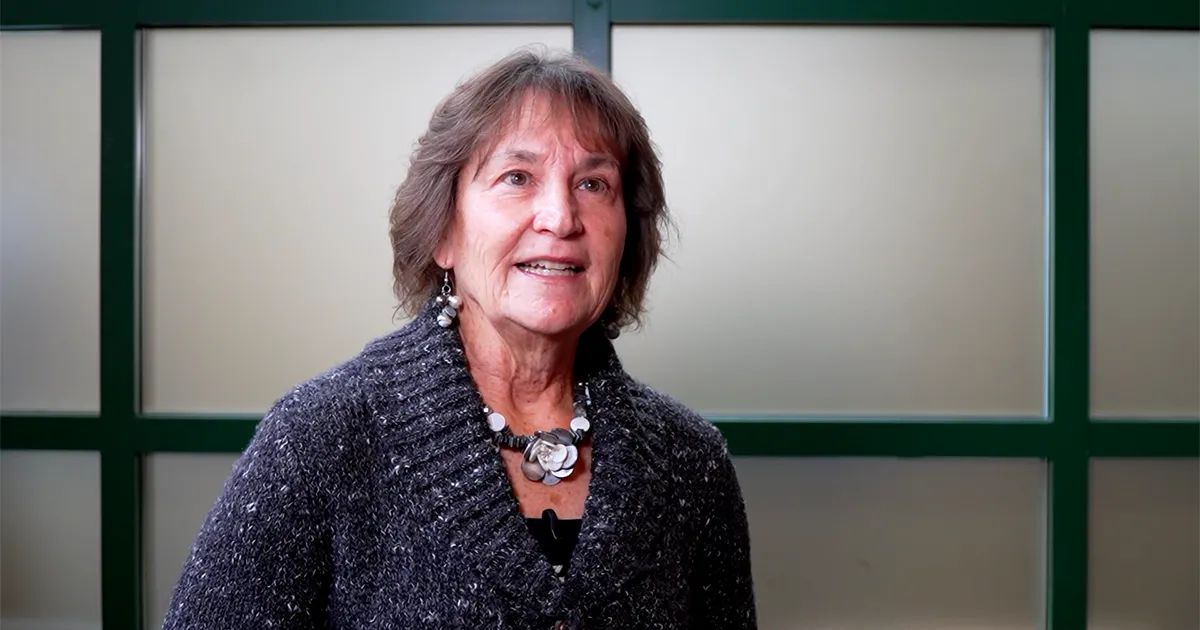
For Montana rancher Perri Jacobs, chair of PLC’s Multiple Use Committee, those conversations hit close to home.
“Public lands grazing is an important part of our operation,” Jacobs said. “Without it, we would be much smaller and maybe not even exist as we do exist.”
Jacobs said the annual meeting also provides producers with an opportunity to learn from other ranchers facing similar federal land-management challenges.
“It’s great to come down here and meet with other ranchers that have the same challenges that you do,” she said, “and you get to share those challenges and maybe share solutions.”
BLM Director Meets with Public Lands Ranchers
Among the featured speakers at this year’s meeting was Bureau of Land Management Director Steve Pearce. PLC listed Pearce among the federal officials scheduled to address ranchers during the annual gathering.
Pearce said meeting directly with ranchers provides an important perspective as he leads the agency responsible for managing millions of acres of federal land.
“That is a breath of fresh air for me to come out and actually visit with the people who keep those public lands vibrant, healthy,” Pearce said. “It’s a partnership that I value greatly.”
Pearce, a former New Mexico congressman, said his previous experience representing a large rural district exposed him to many of the issues facing ranchers who operate on federal lands.
“I saw the people on the field level trying to maintain their lifestyle, trying to maintain their ranches,” Pearce said. “For 14 years, I represented a big rural district. And so to be back among them, this time leading the largest land agency in the country, it’s a breath of fresh air for me to come out here.”
Montana Bison Dispute Part of Multiple-Use Conversation
For Jacobs, maintaining livestock grazing as part of the multiple-use mission of federal lands is a major priority. In her part of Montana, that conversation has increasingly included American Prairie and its bison herd.
“A conversation specific to our area relates to American Prairie and their bison on the landscape,” Jacobs said, describing the animals as a conservation herd rather than a production-oriented herd.
Jacobs said she believes production livestock grazing provides food and fiber while also offering land-management benefits.
“We just need to keep having that conversation on how important livestock grazing is,” she said, citing wildfire mitigation, soils and other potential benefits of grazing on the landscape.
The distinction between production and conservation is also at the center of an ongoing federal court case. In May, BLM rescinded American Prairie’s bison grazing authorizations on seven Phillips County allotments, saying it concluded the organization manages the bison primarily for conservation and ecological restoration rather than production-oriented purposes.
American Prairie challenged that decision. On September 4, U.S. District Judge Brian Morris issued a preliminary injunction preventing BLM from enforcing its removal order on three allotments where American Prairie bison are currently grazing while the underlying lawsuit continues. At this preliminary stage, the court found American Prairie had shown a likelihood of success on its argument that its bison qualify as livestock under the Taylor Grazing Act. The ruling did not resolve the case on its merits.
Pearce said during the PLC meeting that BLM intends to continue pursuing its position in the dispute while working with Montana officials.
“We understand the judges are sometimes very political, and we know that we’ve got to work with that,” Pearce said, characterizing the court dispute from the agency leadership’s perspective. He added that BLM has been working with Montana Gov. Greg Gianforte on the issue.
Grazing and the Future of Western Ranching
From federal grazing regulations to bison management, Jacobs said the issues discussed in Copper Mountain have direct implications for ranching families and rural communities throughout the West.
For her own operation, the importance of federal grazing is straightforward.
“Without it, we would be much smaller,” Jacobs said. “And maybe not even exist as we do exist.”
The conversations taking place at the PLC Annual Meeting will help shape the organization’s federal lands policy priorities for the coming year, with grazing, multiple use and land management remaining central to the discussion.
Source: Western Ag Network


