NCBA's Woodall at CCA on Screwworm, alpha-gal, and demand
June 25, 2026 – The Colorado Cattlemen’s Association annual meeting in Loveland has wrapped up. There was no shortage of topics to discuss over the three-day meeting, but drought, cattle prices, and screw worm were certainly among the most discussed.
National Cattlemen’s Beef Association CEO Colin Woodall spoke to the attendees and said no matter what prices are doing, there are always other challenges to be mindful of. Woodall said beef checkoff dollars earmarked for producer education and issues management are at work in the form of laminated cards distributed to cattle producers across the country. The cards carry information about the pest and the bottom is removable.
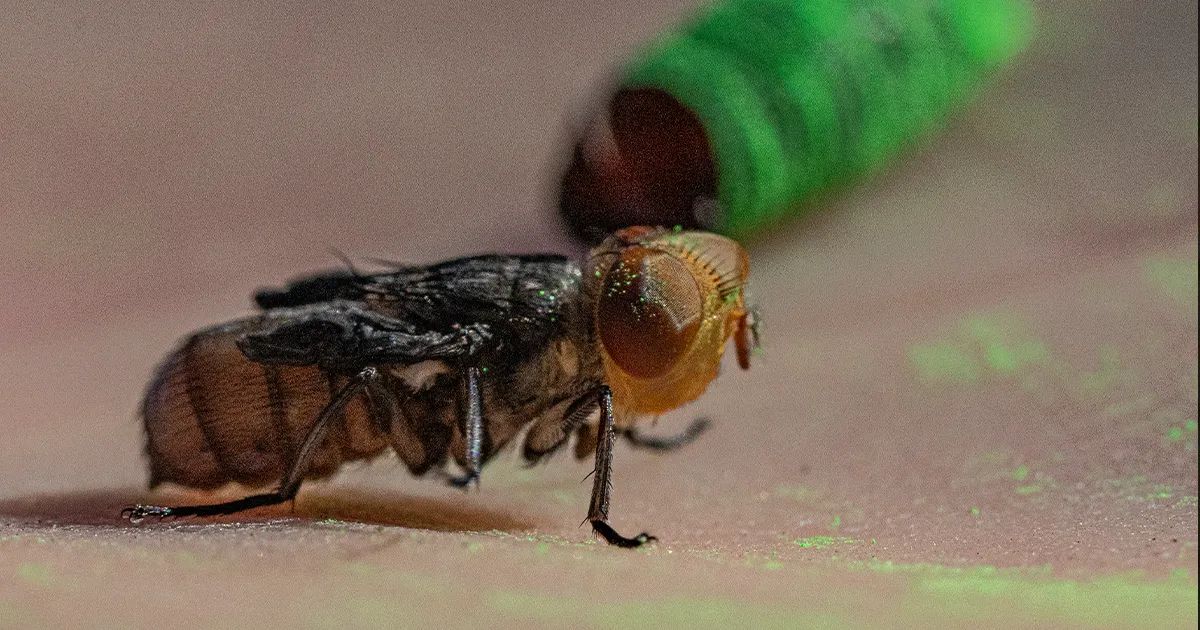
“It has all the information about what the New World screwworm is, and the bottom is actually a tear off card that fits in your pocket, fits in your wallet, the cup holder of your pickup truck that shows how you identify the fly and shows how you identify the larvae,” Woodall said. “That is a critical component of this response because now that it’s in the United States, we need producers to know what to look for and who to call.”
Woodall said Colorado and producers to the north are unlikely to see the pest but said it is not only a cattle issue. The NWS is hosted by warm-blooded mammals, including wildlife. He said patient zero, the calf that was the first documented case in the U.S. this year is alive and well.
“This is a pest and it is a pest we can treat,” he said. “There’s a lot of misinformation out there that cattle or whatever the host is will have to die if it gets New World screwworm. That’s not the case; we have a lot of options to make sure everything is treated and get healthy again. The way we do that is to make sure vets are called, that the local animal health official is called, and then ultimately USDA.”
Producers who spot a larvae, or what they suspect is a larvae or fly, are encouraged to contact their veterinarian to take a sample, which will allow officials to release sterile flies in areas to best eradicate the pest once again.
Woodall also spoke about alpha-gal syndrome. Lone star ticks carry AGS, which affects some people and not others who are bitten by the tick. AGS causes an allergic reaction after consuming beef, pork, and other animal products – typically excluding poultry – ranging from pain to anaphylaxis.
“It’s a big concern for us from a consumer standpoint because it’s a human health issue,” he said. “Even though it’s not caused by beef, it’s caused by the tick, the beef could have a reaction and that could be something that slows demand and we need to be sure if something hits demand, we tackle it.”
He said NCBA is working closely with the research community to find ways to address alpha-gal, but he said that is in the beginning stages and there is much work left to do.
He said as NCBA engages in issues management, it’s important to be aware of discussions about all issues, including, for example, NWS and alpha-gal. The digital command center is located at the NCBA headquarters and is manned 24 hours per day.
“Sometimes we’ll get messages at 3 o’clock in the morning that there’s something we need to look at,” he said. “It’s been a very effective tool in looking at anytime there’s a discussion about beef or cattle or cattle producers or (foot and mouth disease) or screw worm. We can look at all of that and we can see what’s going on in social media, mainstream media, and across the board when it comes to consumer reaction, producer reaction, industry reaction, and governmental reaction and that allows us to get ahead of the issue and get the facts out there, whatever the issue may be and try to either correct the misinformation or redirect the conversation into one that is pro beef and pro cattle. It’s been a tremendous tool for us.”
He said the media monitoring around screwworm indicates that the screwworm has had no impact on beef demand.
Source: Western Ag Network


