American Sheep Industry Makes Its Case Against Lamb Imports at Historic ITC Hearing
October 19, 2026
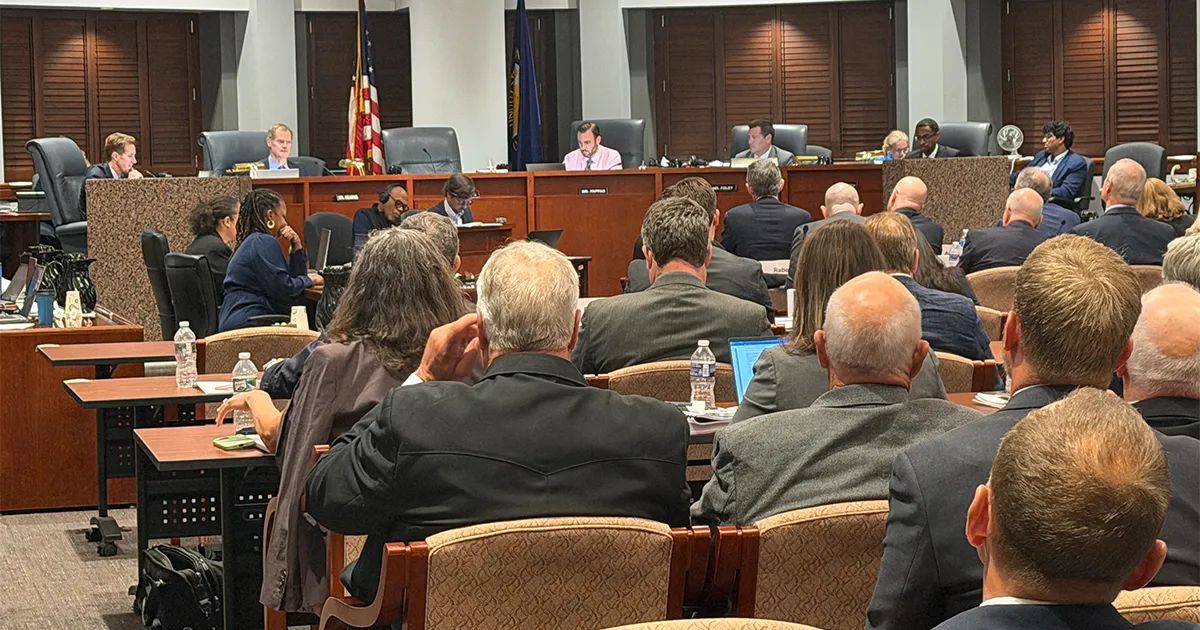
After years of growing concern over foreign lamb imports and their impact on domestic producers, the American Sheep Industry Association (ASI) took its case directly to the U.S. International Trade Commission (ITC) on October 16, seeking relief for an industry it says has suffered significant economic harm.
For ASI President and Montana sheep producer Ben Lehfeldt, the hearing represented an important milestone in the industry's longstanding effort to address increasing competition from imported lamb, particularly from Australia and New Zealand.
“Great day. The International Trade Commission, I really thought it went well,” Lehfeldt said following the hearing. “We had seven or eight witnesses on the American sheep industry side. We spent the whole morning giving testimony and answering questions of the commission on the injury that we feel has been done to American domestic lamb.”
The hearing was part of a federal Section 201 safeguard investigation examining whether increasing lamb imports have caused serious injury to the domestic sheep and lamb industry.
Imported Lamb Now Dominates U.S. Market
One of the central arguments presented by American sheep producers was the dramatic growth in imported lamb's share of the U.S. marketplace.
According to Lehfeldt, imported lamb now accounts for more than 75 percent of the domestic market, compared to approximately 20 to 25 percent during the industry's previous successful trade case in 1999.
“Imports hold over 75 percent of the market share, and in 1999, when we prevailed on the case, it was closer to 20 to 25 percent,” Lehfeldt explained.
ASI maintains that the increasing presence of foreign lamb has contributed to lost market opportunities, reduced revenues and mounting financial challenges for American sheep producers and processors.
Lehfeldt believes the timing of the investigation is particularly important.
“All these cases are really all about timing,” he said. “It's going to cost our producers a decent amount of money when you start hiring lawyers and doing these types of cases. But we feel the timing is right to make our case, and we feel pretty good about it.”
Sheep Producers Unite in Washington
The hearing also brought together sheep producers and industry representatives from across the country, demonstrating the broad concern over imported lamb.
Lehfeldt said producers traveled from Utah, Montana, Wyoming, the Midwest and other regions to support the industry's testimony.
“We had a great group, quite a few from southern Utah,” he said. “We had Charlie Hollenbeck from up in our area, Cowboy Meat Company, myself and the ASI officers. A really great group, all on the same page in terms of the injury that we feel has been done to the domestic sheep industry for the last 25 years.”
He emphasized that the impact of imports extends well beyond traditional sheep-producing states in the West.
“All of our industry, not just the West, is being impacted by these imports,” Lehfeldt said. “It's great to have that support across the U.S.”
ITC Commissioners Examine Industry Data
Throughout the hearing, commissioners questioned witnesses about the industry's financial condition, import volumes and whether increasing foreign competition was responsible for the economic challenges facing domestic producers.
Lehfeldt said commissioners focused considerable attention on information collected through producer and processor surveys.
“One of the things they really gathered data on was the processor survey, because that's where the apples-to-apples comparison of the boxed meats that come over from Australia versus our domestic boxed meat comes in,” he explained.
Commissioners also questioned why the industry conducted a separate producer survey.
Lehfeldt said the additional information was intended to demonstrate how increased imports affect the entire domestic supply chain, from ranchers raising sheep to businesses processing and marketing American lamb.
“Both those surveys showed a pretty dramatic increase in that five-year period that they look at to determine if there was injury,” he said.
The commission also examined whether any financial harm was directly attributable to imports or whether other economic factors contributed to the industry's challenges.
“We answered questions on how much volume was imported, whether there was serious injury because of imports or because of other factors, and whether that was substantial injury,” Lehfeldt explained.
The afternoon portion of the hearing included testimony and questions involving representatives of the importing side.
Lehfeldt said the exchanges strengthened his confidence in the industry's presentation.
“I really felt like we had a pretty strong case in the morning, and I feel even better about it as the afternoon went along,” he said.
November 13 Decision Could Determine Next Steps
With the October 16 hearing completed, the investigation now moves into another critical phase.
According to Lehfeldt, attorneys and industry representatives must submit additional information requested by commissioners through post-hearing briefs.
The commission is then expected to vote on its injury determination by November 13, 2026.
“We're on a strict timescale,” Lehfeldt said. “Post-hearing briefs are due next week, so our lawyers and several other groups will get the information they wanted to look a little deeper into this case.”
If the commission determines that increased lamb imports have caused serious injury or threaten serious injury to the domestic industry, the investigation would proceed to the remedy phase, where potential relief measures would be considered.
If the commission makes a negative injury determination, the safeguard investigation would not advance to that phase.
“We'll know on November 13 if they have an injury or they didn't,” Lehfeldt explained. “If they find injury, the case moves on to remedy phases and continues on.”
While the outcome remains uncertain, Lehfeldt said the industry's testimony and the questions raised by commissioners left him optimistic.
“We feel really confident,” he said. “A lot of good, positive questions from the commission. A really good showing and great to be among a lot of great sheep producers.”
For American sheep producers, the upcoming decision could represent a significant turning point in their effort to address foreign competition and strengthen the future of domestic lamb production.
Source: Western Ag Network


